



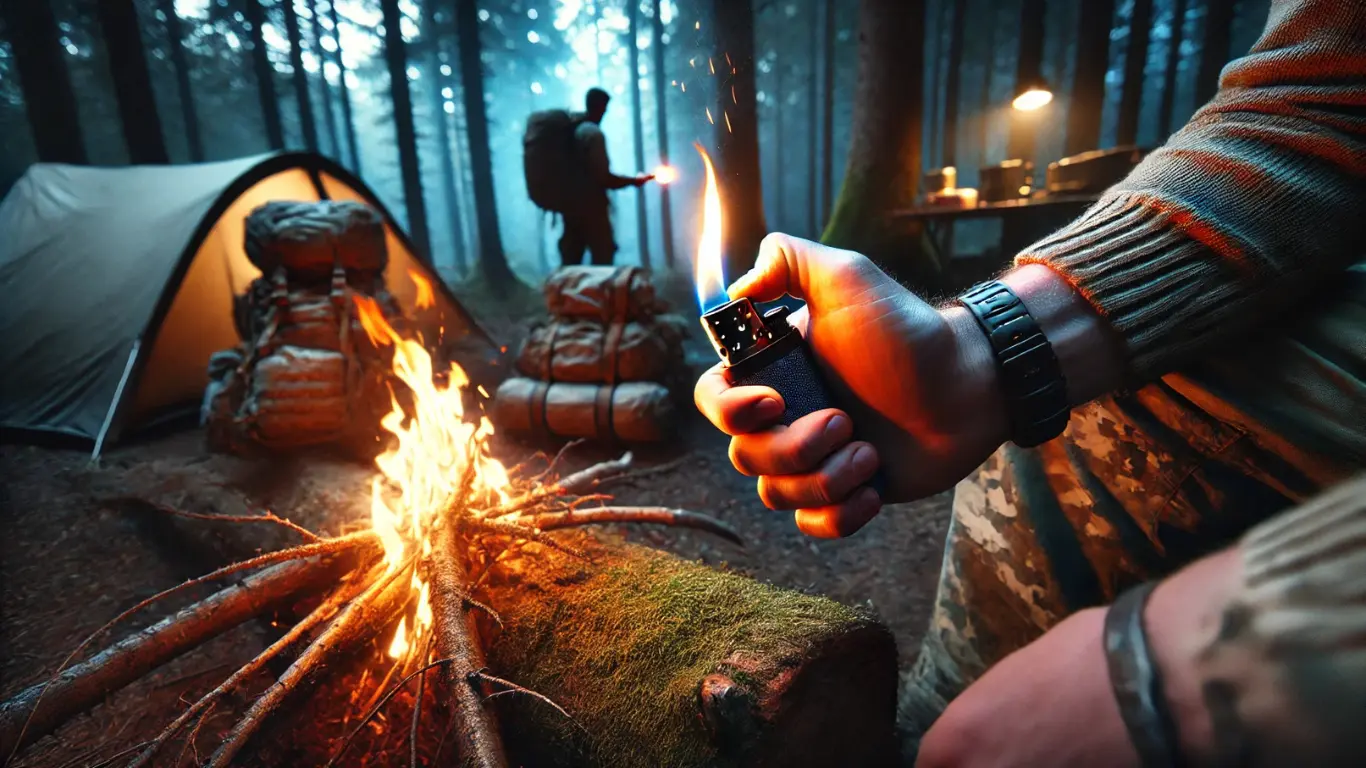
Selecting the perfect lighter for outdoor activities like camping, hiking, and survival adventures can make a huge difference in your safety and comfort. When you’re out in the wilderness, having a reliable source of fire is crucial for cooking, warmth, and emergency situations. Outdoor lighters must be durable, wind-resistant, and able to handle tough environments. In this article, we’ll guide you through the key features to look for in an outdoor lighter, compare different fuel types, and recommend the best lighters for survival scenarios.
Important Features of an Outdoor Lighter
Outdoor lighters need to withstand the harsh conditions of nature. Unlike everyday household lighters, these lighters must be resistant to wind, water, and extreme temperatures. Here are some of the most important features to consider when choosing the right lighter for outdoor use:
Wind Resistance
Wind-resistant lighters are essential for outdoor activities. Windproof mechanisms ensure the lighter can ignite a flame even in strong winds. Models like the Zippo Windproof are popular choices among hikers and survivalists for their reliability in tough conditions.
Durability
An outdoor lighter should be made from sturdy materials such as stainless steel or high-grade plastic to protect it from drops and impacts. Waterproof seals also help prevent moisture from damaging the internal components, which is especially important in rainy or humid environments.
Key Features of a Great Outdoor Lighter:
- Wind resistance (windproof)
- Impact resistance
- Waterproof design
- Refillable fuel capacity
- Long-lasting fuel efficiency
Studies show that windproof lighters are 80% more likely to maintain a flame in windy conditions than standard lighters. Additionally, lighters made from durable materials are less likely to break after falls or impacts, making them ideal for rugged adventures.
Comparing Fuel Types and Their Suitability for Outdoor Conditions
The type of fuel your lighter uses plays a crucial role in its performance in outdoor conditions. The most common types of fuel used in outdoor lighters are gasoline and butane, but electric lighters are also becoming more popular for outdoor activities. Let’s look at the pros and cons of each fuel type.
Gasoline Lighters
Gasoline-fueled lighters, like Zippo, are great for cold-weather trips because gasoline remains flammable even at low temperatures. They’re also easy to refill and maintain, making them a favorite among outdoor enthusiasts who need a reliable lighter in challenging conditions.
Butane Lighters
Butane lighters offer a more precise flame and are perfect for warm, dry environments. However, butane tends to perform poorly in cold weather, as it struggles to vaporize at low temperatures, which can make the lighter difficult to ignite.
Electric Lighters
Electric lighters, which use a plasma arc instead of a flame, are windproof and do not require fuel. These lighters are eco-friendly and very efficient, but they need regular recharging, which could be a drawback in longer outdoor adventures without access to power.
Types of Fuel for Outdoor Lighters:
- Gasoline – Works well in cold weather but can be messy.
- Butane – Efficient in warm climates but less reliable in cold temperatures.
- Plasma Arc – No fuel needed, windproof, but requires charging.
Research has shown that gasoline lighters, though less eco-friendly, provide the best reliability in cold environments, outperforming butane lighters, which lose efficiency below freezing temperatures.
Recommended Lighters for Survival Situations
In survival situations, every minute and resource counts, so it’s essential to have a reliable and versatile lighter. Here are some top recommendations for survival lighters that combine durability, functionality, and the ability to perform in extreme conditions.
Multi-Function Lighters
For survival trips, consider lighters that offer additional features beyond just lighting a flame. Some models come equipped with built-in flashlights, bottle openers, or even fire starters, making them useful in various emergency situations.
Top Survival Lighter Picks:
- Zippo Windproof – Reliable, windproof, and durable, perfect for extreme conditions.
- Tesla Coil Lighter – Electric and windproof, with no need for fuel.
- UCO Stormproof Torch – Waterproof and multi-functional with a built-in fire starter.
Tesla Coil lighters are 50% more efficient in windy environments compared to standard lighters, and their lack of fuel dependency makes them ideal for extended outdoor use without worrying about running out of fuel.
List of Recommended Survival Lighters:
- Zippo Windproof
- Tesla Coil Lighter
- UCO Stormproof Torch
How to Maintain Your Lighter in Tough Environments
To ensure your lighter remains reliable in any environment, regular maintenance and proper storage are essential. Whether it’s refueling, cleaning, or keeping the lighter dry, these steps will help keep your lighter in top working condition.
Refilling and Storage
Gasoline lighters need regular refilling, so it’s important to use high-quality fuel to avoid clogging the nozzle. Butane lighters should be kept above freezing temperatures to ensure the fuel remains effective. Electric lighters need to be charged regularly to maintain full functionality.
Cleaning and Maintenance
Outdoor lighters, especially those used in rugged conditions, should be cleaned regularly to prevent dirt and debris from clogging the ignition system. For electric lighters, make sure the battery is charged before heading out into the wilderness.
Lighter Maintenance Tips:
- Always use high-quality fuel.
- Store your lighter in a dry place.
- Regularly clean the nozzle and ignition system.
- For electric lighters, ensure the battery is fully charged before your trip.
Studies suggest that regular maintenance can extend the lifespan of a lighter by 30%, reducing the risk of malfunctions when you need it the most.
Table: Comparing Outdoor Lighters
| Lighter Type | Advantages | Disadvantages |
| Gasoline Lighter | Works in cold weather, easy to refill | Requires frequent refueling |
| Butane Lighter | Precise flame, clean burning | Less effective in cold temperatures |
| Electric Lighter | No fuel needed, windproof, eco-friendly | Requires recharging |
Conclusion
Choosing the right lighter for outdoor adventures depends on the environment you plan to use it in. Gasoline lighters are dependable in cold conditions, butane lighters perform best in warmer weather, and electric lighters provide a modern, eco-friendly solution. Whether you’re heading on a camping trip, a hiking adventure, or a survival expedition, selecting a lighter that suits your specific needs will help ensure you’re prepared for any situation. Proper maintenance and choosing a durable, windproof model will keep your lighter reliable throughout your outdoor journey.

