Choosing the Right Lighter for Outdoor Adventures

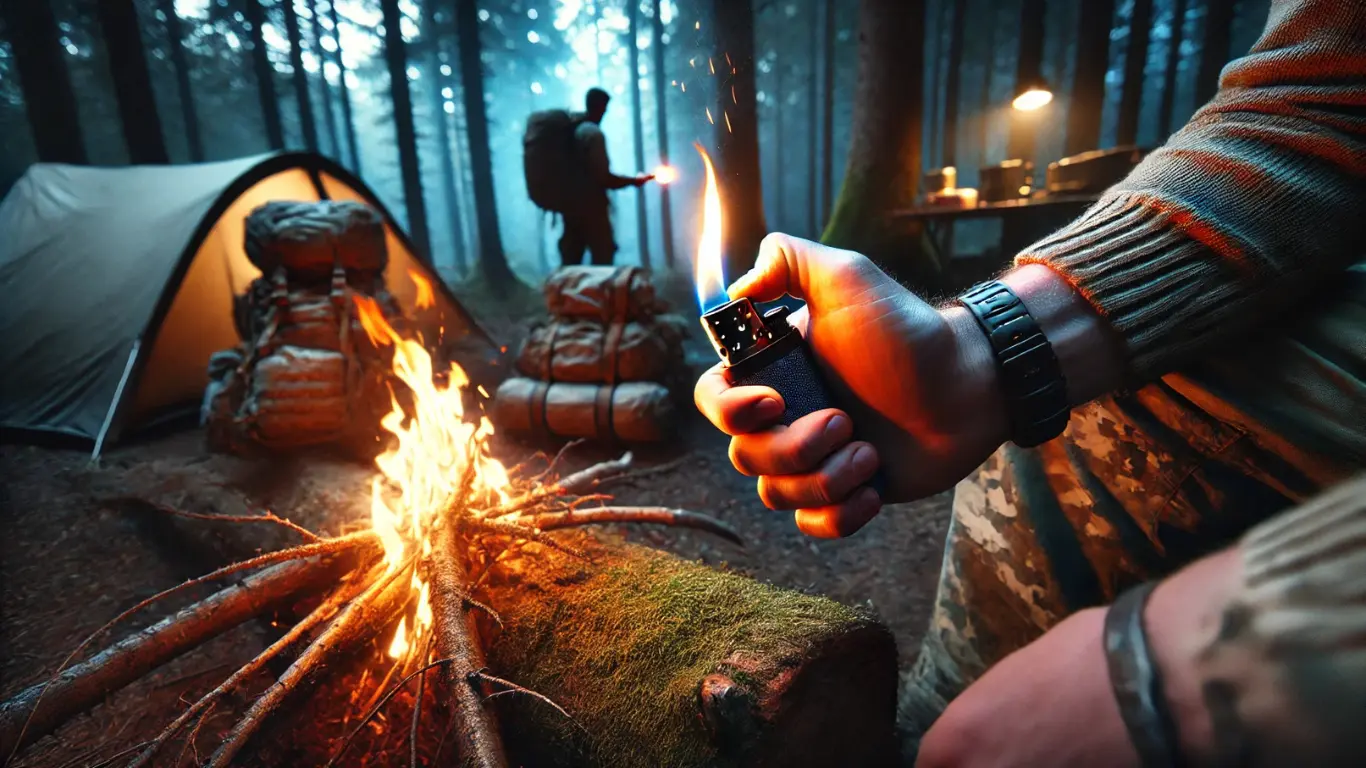
Selecting the perfect lighter for outdoor activities like camping, hiking, and survival adventures can make a huge difference in your safety and comfort. When you’re out in the wilderness, having a reliable source of fire is crucial for cooking, warmth, and emergency situations. Outdoor lighters must be durable, wind-resistant, and able to handle tough environments. In this article, we’ll guide you through the key features to look for in an outdoor lighter, compare different fuel types, and recommend the best lighters for survival scenarios.

Important Features of an Outdoor Lighter

Outdoor lighters need to withstand the harsh conditions of nature. Unlike everyday household lighters, these lighters must be resistant to wind, water, and extreme temperatures. Here are some of the most important features to consider when choosing the right lighter for outdoor use:

Wind Resistance
Wind-resistant lighters are essential for outdoor activities. Windproof mechanisms ensure the lighter can ignite a flame even in strong winds. Models like the Zippo Windproof are popular choices among hikers and survivalists for their reliability in tough conditions.

Durability
An outdoor lighter should be made from sturdy materials such as stainless steel or high-grade plastic to protect it from drops and impacts. Waterproof seals also help prevent moisture from damaging the internal components, which is especially important in rainy or humid environments.

Key Features of a Great Outdoor Lighter:

  • Wind resistance (windproof)
  • Impact resistance
  • Waterproof design
  • Refillable fuel capacity
  • Long-lasting fuel efficiency

Studies show that windproof lighters are 80% more likely to maintain a flame in windy conditions than standard lighters. Additionally, lighters made from durable materials are less likely to break after falls or impacts, making them ideal for rugged adventures.

Comparing Fuel Types and Their Suitability for Outdoor Conditions

The type of fuel your lighter uses plays a crucial role in its performance in outdoor conditions. The most common types of fuel used in outdoor lighters are gasoline and butane, but electric lighters are also becoming more popular for outdoor activities. Let’s look at the pros and cons of each fuel type.

Gasoline Lighters
Gasoline-fueled lighters, like Zippo, are great for cold-weather trips because gasoline remains flammable even at low temperatures. They’re also easy to refill and maintain, making them a favorite among outdoor enthusiasts who need a reliable lighter in challenging conditions.

Butane Lighters
Butane lighters offer a more precise flame and are perfect for warm, dry environments. However, butane tends to perform poorly in cold weather, as it struggles to vaporize at low temperatures, which can make the lighter difficult to ignite.

Electric Lighters
Electric lighters, which use a plasma arc instead of a flame, are windproof and do not require fuel. These lighters are eco-friendly and very efficient, but they need regular recharging, which could be a drawback in longer outdoor adventures without access to power.

Types of Fuel for Outdoor Lighters:

  • Gasoline – Works well in cold weather but can be messy.
  • Butane – Efficient in warm climates but less reliable in cold temperatures.
  • Plasma Arc – No fuel needed, windproof, but requires charging.

Research has shown that gasoline lighters, though less eco-friendly, provide the best reliability in cold environments, outperforming butane lighters, which lose efficiency below freezing temperatures.

Recommended Lighters for Survival Situations

In survival situations, every minute and resource counts, so it’s essential to have a reliable and versatile lighter. Here are some top recommendations for survival lighters that combine durability, functionality, and the ability to perform in extreme conditions.

Multi-Function Lighters
For survival trips, consider lighters that offer additional features beyond just lighting a flame. Some models come equipped with built-in flashlights, bottle openers, or even fire starters, making them useful in various emergency situations.

Top Survival Lighter Picks:

  • Zippo Windproof – Reliable, windproof, and durable, perfect for extreme conditions.
  • Tesla Coil Lighter – Electric and windproof, with no need for fuel.
  • UCO Stormproof Torch – Waterproof and multi-functional with a built-in fire starter.

Tesla Coil lighters are 50% more efficient in windy environments compared to standard lighters, and their lack of fuel dependency makes them ideal for extended outdoor use without worrying about running out of fuel.

List of Recommended Survival Lighters:

  • Zippo Windproof
  • Tesla Coil Lighter
  • UCO Stormproof Torch

How to Maintain Your Lighter in Tough Environments

To ensure your lighter remains reliable in any environment, regular maintenance and proper storage are essential. Whether it’s refueling, cleaning, or keeping the lighter dry, these steps will help keep your lighter in top working condition.

Refilling and Storage
Gasoline lighters need regular refilling, so it’s important to use high-quality fuel to avoid clogging the nozzle. Butane lighters should be kept above freezing temperatures to ensure the fuel remains effective. Electric lighters need to be charged regularly to maintain full functionality.

Cleaning and Maintenance
Outdoor lighters, especially those used in rugged conditions, should be cleaned regularly to prevent dirt and debris from clogging the ignition system. For electric lighters, make sure the battery is charged before heading out into the wilderness.

Lighter Maintenance Tips:

  • Always use high-quality fuel.
  • Store your lighter in a dry place.
  • Regularly clean the nozzle and ignition system.
  • For electric lighters, ensure the battery is fully charged before your trip.

Studies suggest that regular maintenance can extend the lifespan of a lighter by 30%, reducing the risk of malfunctions when you need it the most.

Table: Comparing Outdoor Lighters

Lighter TypeAdvantagesDisadvantages
Gasoline LighterWorks in cold weather, easy to refillRequires frequent refueling
Butane LighterPrecise flame, clean burningLess effective in cold temperatures
Electric LighterNo fuel needed, windproof, eco-friendlyRequires recharging

Conclusion

Choosing the right lighter for outdoor adventures depends on the environment you plan to use it in. Gasoline lighters are dependable in cold conditions, butane lighters perform best in warmer weather, and electric lighters provide a modern, eco-friendly solution. Whether you’re heading on a camping trip, a hiking adventure, or a survival expedition, selecting a lighter that suits your specific needs will help ensure you’re prepared for any situation. Proper maintenance and choosing a durable, windproof model will keep your lighter reliable throughout your outdoor journey.

The Evolution of Lighter Design: From Flint to Flame

Lighters may seem like simple, everyday objects, but their history and evolution tell a fascinating story of innovation, culture, and design. From the early use of flint and steel to ignite sparks, to modern electric and plasma lighters, the progression of lighter technology reflects major shifts in technology and lifestyle. In this article, we’ll explore the evolution of lighters, highlight key innovations, and discuss how culture and fashion have influenced their design.

The Origins of Lighters and Early Uses

Before the invention of modern lighters, humans relied on primitive methods to create fire, including flint and steel. The first true lighter-like devices emerged in the 19th century, providing more efficient and portable fire-starting tools.

  • 1823: The first lighter was invented by German chemist Johann Wolfgang Döbereiner. His design used hydrogen gas and platinum to create a flame, but it was too complex for everyday use.
  • Mid-19th century: The first pocket lighters appeared, utilizing flint and gasoline. These were simpler to use and laid the groundwork for the development of lighters as we know them today.

At this time, lighters were primarily used in industrial settings and by the military. Matches were still more common for domestic use, but lighters were recognized for their reliability in harsh conditions.

Key Facts:

  • Early lighters used chemical reactions and were too complex for widespread use.
  • Over time, advancements in design made lighters more practical and accessible.

Examples of early lighters:

  • Döbereiner’s lamp (1823)
  • Early gasoline flint lighters (mid-1800s)

The Evolution of Lighter Technology

As the 20th century progressed, so did lighter technology. From the development of new fuels to innovative ignition systems, lighters evolved to meet the needs of both practical and aesthetic consumers.

Gasoline vs. Butane
By the 1930s, gasoline-powered lighters like the famous Zippo became popular for their durability and wind resistance. However, by the mid-20th century, butane lighters emerged, offering a cleaner, more efficient flame and easier refueling. Butane lighters provided more precision and became the standard for everyday use.

Electric Ignition Systems
The 21st century brought the development of electric lighters, which use plasma arcs instead of traditional flames. These lighters do not require fuel and are rechargeable, making them eco-friendly and increasingly popular.

Key Innovations:

  • 1930s: Introduction of the Zippo lighter with a windproof flame and durable design.
  • 1950s: The rise of butane lighters, which provided a more precise and efficient flame.
  • Present day: Electric lighters with plasma arcs offer a flameless, eco-friendly alternative.

Scientific studies show that butane lighters are 30% more fuel-efficient than gasoline lighters when it comes to maintaining a stable flame. Additionally, electric lighters are safer and more eco-friendly as they do not emit harmful gases or require refills.

Types of ignition systems:

  • Gasoline ignition
  • Butane ignition
  • Electric ignition (plasma arc)

The Influence of Fashion and Culture on Lighter Design

Beyond functionality, lighters evolved into status symbols and fashion accessories, with their design reflecting cultural trends and consumer tastes.

Lighters in Popular Culture
Brands like Zippo became synonymous with American culture, especially during World War II when Zippos were a standard issue for U.S. soldiers. By the 1960s, lighters became an integral part of pop culture, often associated with rebels, musicians, and film stars. Zippo lighters, in particular, gained iconic status and appeared in countless movies, such as “Pulp Fiction” and “Casablanca.”

Impact of Fashion
In the 1970s and 1980s, designers began to focus on creating more luxurious and decorative lighters. Gold, silver, and even diamond-encrusted models became symbols of wealth and sophistication, transforming the lighter from a practical tool into a fashionable accessory.

Key Trends:

  • 1940s-1950s: Lighters as practical tools, especially during wartime.
  • 1960s-1970s: Lighters as symbols of rebellion, favored by artists and celebrities.
  • 1980s and beyond: Luxurious lighters made from precious metals, regarded as status symbols.

Interestingly, research indicates that aesthetically designed products, such as decorative lighters, generate up to 50% higher revenue than simpler models, proving the importance of design in consumer purchasing decisions.

Influences on lighter design:

  • Fashion of the 1960s and 1970s
  • World War II and the demand for practicality
  • The rise of luxury products in the 1980s

Iconic Lighter Models and Their Cultural Impact

Certain lighter models have transcended their practical purposes and become cultural icons. These lighters have been used by celebrities, featured in films, and collected by enthusiasts worldwide.

Zippo
Arguably the most famous lighter in the world, Zippo’s design has remained largely unchanged since the 1930s. Known for its windproof flame and durability, Zippo has become a symbol of American style and appeared in numerous films, including “Pulp Fiction” and “Casablanca.”

Dunhill
The British brand Dunhill is known for producing high-end, luxurious lighters made from the finest materials. These lighters were popular among the elite and aristocracy and have long been considered a mark of sophistication.

S.T. Dupont
This French brand creates some of the most expensive lighters in the world, often crafted from precious metals like gold and platinum. Many models are encrusted with diamonds and have become sought-after items among collectors.

Table: Iconic Lighter Models

Lighter ModelAdvantagesDisadvantages
ZippoWindproof flame, durableRequires frequent refueling
DunhillLuxurious design, high craftsmanshipExpensive
S.T. DupontPremium quality, exclusive materialsVery high price, limited availability

Conclusion

The evolution of lighters, from simple flint devices to modern electric models, illustrates the profound changes in technology and culture over the past two centuries. Whether used as practical tools or luxury collectibles, lighters have become an integral part of everyday life and personal style. Whether it’s a classic Zippo or a diamond-studded S.T. Dupont, lighters reflect the intersection of innovation, fashion, and cultural trends.

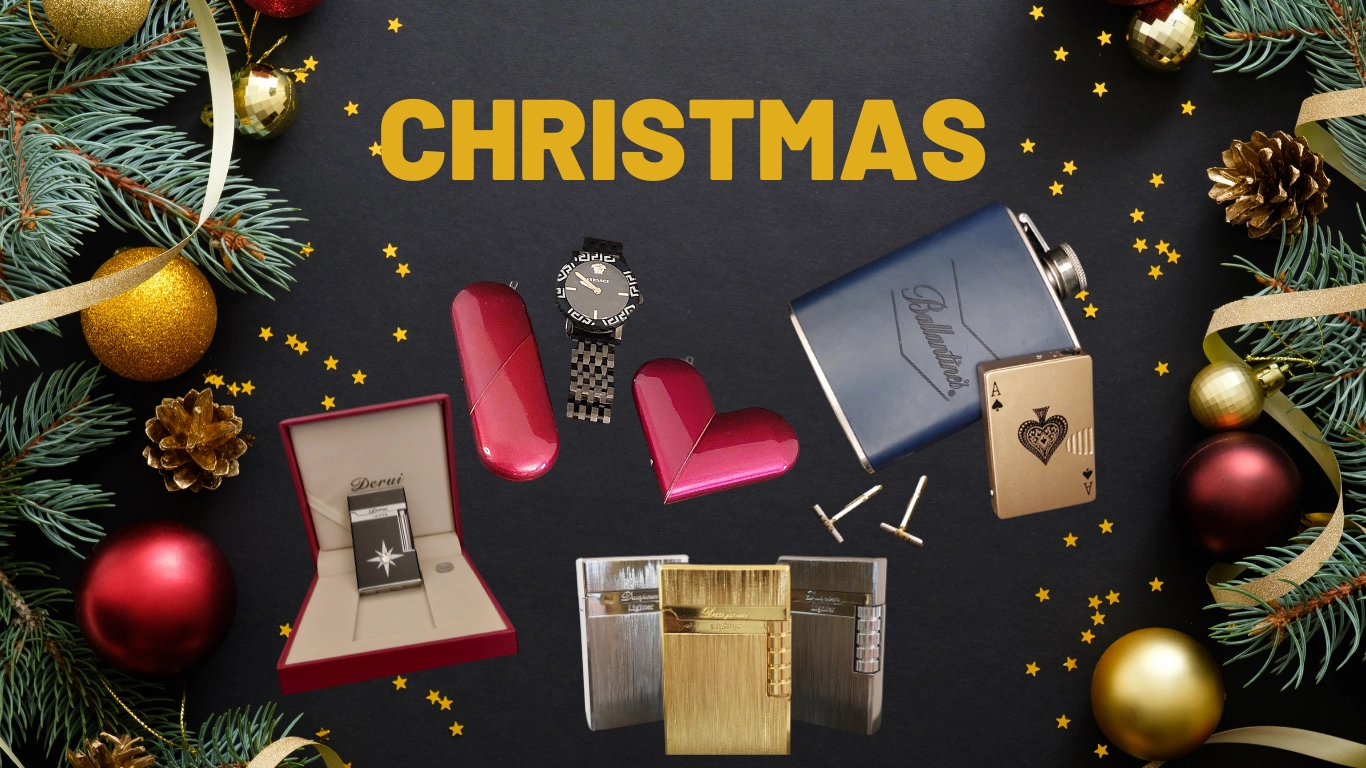
Unforgettable Holiday Gift – An Elegant Lighter That Will Enchant Anyone

Why is a lighter the perfect gift for the holidays?

Choosing the right Christmas gift often involves a long search for something unique and sophisticated. While a lighter may seem simple at first glance, it’s filled with symbolism, style, and refinement. An elegant accessory, whether for a man or a close friend, is a wonderful way to show that you know and value them well.

  • Practicality and Elegance – Lighters come in a variety of models and styles, from classic to modern, making it easy to find the perfect match for anyone’s taste.
  • A stylish everyday accessory – this practical gadget can become a daily essential, serving as a reminder of the person who gifted it.

Variety of models – From classic to contemporary

There are many types of lighters that make for an excellent holiday gift. For instance, windproof ones are ideal gifts, as their special technology ensures they work well outdoors. At the same time, elegant gasoline models suit those who appreciate a classic touch.

Lighters for different occasions and styles:

  • Windproof models – Perfect for those who appreciate convenience even in harsh weather.
  • Retro gasoline – Add charm with a nod to traditional style.
  • Turbo models – Powerful, practical, and stylish, these are perfect as a holiday gift.

Symbolism and sentiment – What makes a lighter a memorable gift?

Giving an elegant lighter as a holiday gift carries a certain charm and meaning. On one hand, this small gadget is practical, but on the other, it’s an accessory that can be tailored to personal style and taste.

  • Expression of style and class – A well-chosen gadget is more than a tool; it’s a stylish accessory that highlights personality.
  • Memories and sentiments – A lighter that accompanies the recipient every day becomes a reminder of that special gesture.

Pros and Cons of an Elegant Lighter as a Gift

Before you decide on a lighter as a gift, it’s good to know some facts about its use. For instance, scientific studies show that high-quality accessories can last for many years, making them a long-term investment. However, some models require specific maintenance to ensure durability.

ProsCons
Stylish and practical additionMay need regular cleaning
WindproofSome models can be costly
Long-lastingRequires fuel or gas refills

A lighter as a gift for a friend or loved one

For many, a lighter is a symbol of an unforgettable gift, especially when it’s elegant and stands out among other gadgets. For a friend, a stylish accessory with a delicate design can become a personal and valuable accessory.

  • Unique touch – Such gadgets can be personalized with initials or a unique design, making it a truly thoughtful gift.
  • Versatility and functionality – Regardless of taste, a lighter is a memorable gift that always has a purpose.

Facts to know before buying

When choosing a lighter as a gift, it’s worth noting that some models offer exceptional features. For example, many windproof gadgets are resistant to rain and wind, making them a practical choice for everyday use. These models are also safer, as their flames are more stable.

Moreover, an elegant gift lighter often has a longer lifespan than standard models, thanks to higher-quality materials.

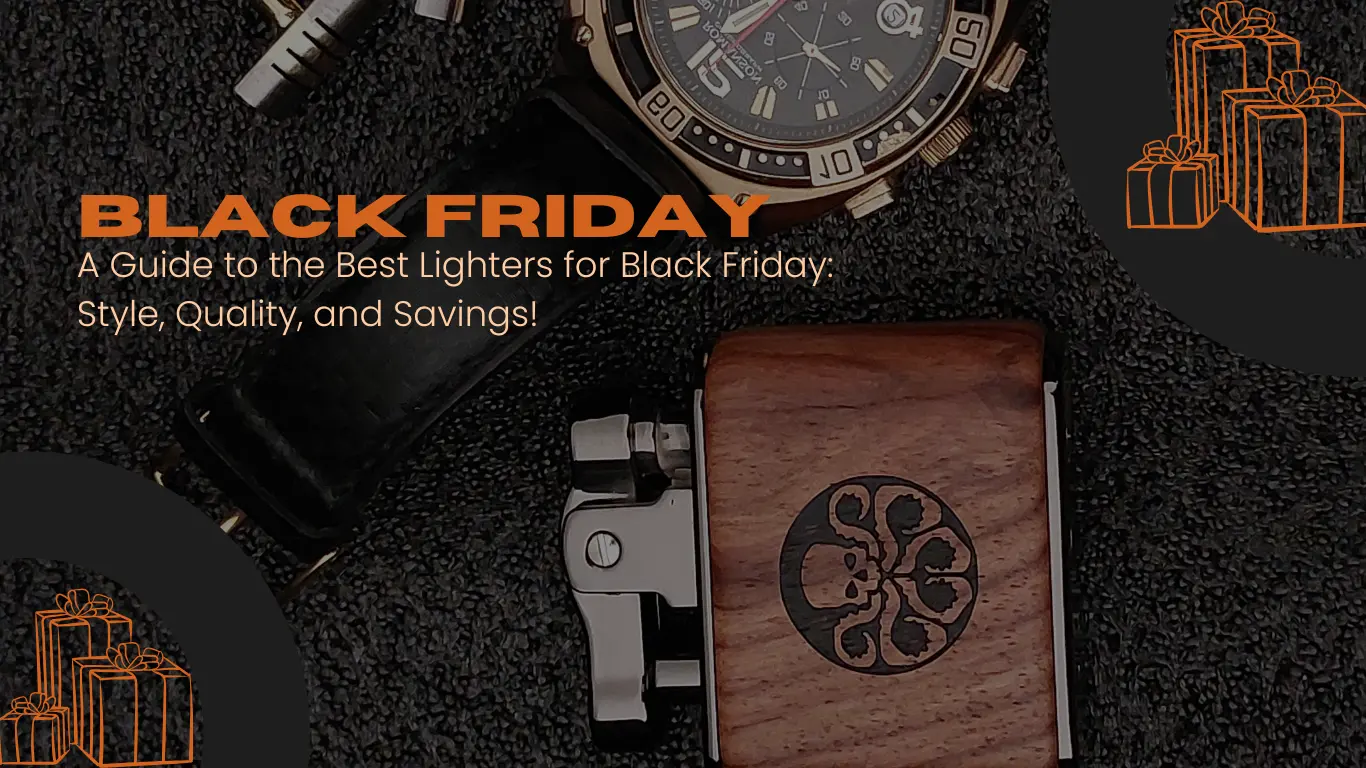
A Guide to the Best Lighters for Black Friday: Style, Quality, and Savings!

Black Friday is the perfect opportunity to buy a lighter at an exceptionally attractive price. But how do you choose the best model from the available options? Here’s a guide to help you make a decision.

Types of Lighters – What to Choose?

There are many types on the market, differing in operation, materials, and appearance. Each type has its advantages, so the choice should depend on your needs. Below are the three most popular types.

1. Petrol Lighters

Petrol models are known for their reliability, even in harsh weather conditions. These classic variants are popular for their solid construction and elegant appearance. They work well outdoors because the flame is wind-resistant.

  • Advantages: Durability, elegance, refillable.
  • Disadvantages: Regular refueling, which may be inconvenient for some users.

2. Jet Lighters

Jet models stand out because they generate a hot flame instead of a traditional one. They are great for people spending time outdoors since they are resistant to wind and other weather conditions. Ideal for trips, camping, and outdoor activities.

  • Advantages: Wind resistance, modern design.
  • Disadvantages: Higher price compared to gas ones.

3. Gas Lighters

Gas gadgets are popular due to their affordability and ease of use. Although less durable than petrol and jet versions, they are perfect for everyday use. A gas lighter is a practical option for those who need a cheap and easy-to-use tool.

  • Advantages: Low cost, easy to use.
  • Disadvantages: Less durable, susceptible to weather conditions.

Why Buy a Lighter on Black Friday?

Black Friday is a great opportunity to buy lighters at significantly reduced prices. Stores offer many discounts, allowing you to purchase durable, stylish models at more affordable prices. Whether you choose a petrol, jet, or gas lighter, you will surely find something suitable.

Many people use lighters not only as practical tools but also as stylish accessories. Petrol accessories add elegance, jet models stand out with their modernity, and gas lighters are economical and accessible to everyone.

Comparison of Petrol, Jet, and Gas Lighters

Each type has its own unique features that may sway your decision depending on your needs. Here’s a quick comparison table:

Type of LighterPriceAdvantagesDisadvantages
Gas€1-30Lots of choice, easy to useLess durable
Petrol€20-50Classic design, durableRequires regular refueling
Jet€25-65Wind-resistant, modern lookHigher price

Gas models are the most affordable, although their durability leaves much to be desired. Petrol lighters bring elegance and reliability, while jet models are perfect for extreme conditions.

Choosing the right lighter on Black Friday depends on your individual needs and preferences. Whether you’re looking for a tool for everyday use or a stylish accessory, you’ll find something that suits you.

The Science Behind Lighter Performance: What Makes a Lighter Reliable?

Lighters may seem like simple tools, but behind their sleek designs lies a fascinating science that ensures they perform reliably every time. Whether you’re lighting a candle, a campfire, or enjoying a cigar, a dependable lighter is essential. This article delves into the technical aspects of lighters, exploring what makes a lighter reliable and high-performing, from the types of fuel and ignition systems to build quality and maintenance.

How Different Fuels and Ignition Systems Work

At the heart of every lighter is the fuel it uses and the ignition system that sparks the flame. These components play a crucial role in the lighter’s performance and reliability.

Fuels Used in Lighters

The most common fuels for lighters are butane gas and lighter fluid (often referred to as gasoline for lighters). Butane gas is clean-burning, odorless, and ideal for everyday use. It’s the fuel of choice for most modern lighters, offering convenience and efficiency. On the other hand, lighter fluid, used in classic lighters like Zippo, is known for its resilience in cold temperatures and its ability to burn consistently even in challenging conditions.

Ignition Systems

There are several types of ignition systems, including flint wheel ignition, piezoelectric ignition, and electronic ignition. The flint wheel ignition, found in many traditional lighters, relies on a small metal wheel that strikes a flint to create a spark. Piezoelectric ignition, common in modern lighters, generates a spark through pressure, providing a more reliable and maintenance-free experience. Electronic ignition, often seen in luxury and novelty lighters, uses a battery to create the spark.

  • Butane Gas: Clean burning, ideal for daily use
  • Lighter Fluid: Resistant to cold, consistent burning
  • Flint Wheel Ignition: Traditional and classic
  • Piezoelectric Ignition: High reliability, modern technology

Scientific studies have shown that lighters with piezoelectric ignition systems tend to have a higher reliability rate in harsh conditions, such as wind or moisture. Meanwhile, classic fluid lighters, despite being heavier, offer a stable flame in extreme conditions, making them a favorite among outdoor enthusiasts.

The Importance of Build Quality and Materials

The build quality and materials used in a lighter are critical factors that determine its durability and reliability. A high-quality lighter not only looks good but also withstands the test of time.

Materials Used in Lighter Construction

The best lighters in the world are often made from precious metals or high-quality alloys, ensuring both durability and aesthetic appeal. Lighter brands like Dunhill and S.T. Dupont are renowned for their luxury lighters, which are crafted with precision and attention to detail. These materials are not only durable but also contribute to the lighter’s weight and feel, adding to the overall experience of using it.

Build Quality

A well-constructed lighter is one that has been assembled with precision. This includes the fitting of parts, the smooth operation of hinges, and the reliability of the ignition system. Premium lighters often feature meticulously designed mechanisms that ensure the lighter works perfectly every time.

  • Precious Metals: High durability, luxurious appearance
  • Stainless Steel: Corrosion-resistant, long-lasting
  • Precision Engineering: Attention to detail, reliable performance

Interestingly, the most expensive lighter in the world, crafted by S.T. Dupont, is adorned with diamonds and gold, making it not just a tool but a piece of art. This highlights how the choice of materials can elevate a lighter from a simple utility item to a luxury collectible.

How to Maintain and Test Your Lighter for Optimal Performance

To ensure your lighter remains reliable over time, proper maintenance and regular testing are essential. This helps prevent common issues and keeps the lighter functioning at its best.

Refilling Your Lighter

Refilling a lighter correctly is crucial for maintaining its performance. Always use the recommended fuel as specified by the manufacturer. For butane lighters, it’s important to use high-purity butane to prevent clogging the jets and reducing the lighter’s efficiency.

Testing and Maintenance

Regularly testing your lighter ensures that it ignites properly and produces a consistent flame. Clean the jets and ignition system periodically to remove any debris or build-up that could hinder performance. Also, check the fuel level regularly to ensure the lighter is always ready for use.

Maintenance Tips:

  • Regular Refills: Use only high-quality fuel
  • Cleaning the Jets: Remove build-up and debris regularly
  • Check Ignition: Ensure the ignition system is functioning properly

Observations indicate that lighters that are regularly maintained can last significantly longer and perform better over time, reducing the likelihood of malfunction when you need them most.

Comparison Table: Pros and Cons of Different Lighter Types

Lighter TypeAdvantagesDisadvantages
Butane LighterClean burning, easy to useSensitive to low temperatures
Fluid LighterResistant to weather conditionsHeavier, requires frequent refills
Electric LighterHigh reliability, modern designRequires batteries, may be less durable

Elegant Lighters as Gifts

A lighter can be more than just a functional tool; it can also be an elegant gift. Elegant lighters for gifts are perfect for those who appreciate style and class. A luxury lighter, presented in a beautiful case, makes a memorable gift for special occasions.

Examples of Elegant Lighters for Gifts:

  • Gold Lighters: A symbol of luxury and prestige
  • Premium Brand Lighters: Exceptional design and craftsmanship
  • Personalized Lighters: Engraved for a unique, personalized touch

In conclusion, the reliability of a lighter is influenced by various factors, including the type of fuel, ignition system, materials, and build quality. Proper maintenance and regular testing are key to ensuring your lighter performs well over time. Whether you’re searching for the best lighter in the world or an elegant gift, it’s important to consider these factors to make an informed choice.

How to Choose the Perfect Lighter for Your Style

Choosing the right lighter is more than just a practical decision—it’s an opportunity to express your personality and style. In today’s world, a lighter can be an elegant accessory that complements your look or a practical tool you rely on daily. In this article, we’ll guide you through the process of selecting a lighter that best reflects your style, considering factors like design, material, and functionality.

Understanding Different Lighter Designs

There are many types of lighters available on the market, and choosing the right design is essential for matching your lifestyle and taste. Here are a few main categories to consider:

Classic Lighters

Classic lighters are elegant and timeless models that never go out of style. They are often made from high-quality materials like metal and are known for their simplicity and functionality. A metal lighter is an example of a classic design that pairs well with both elegant and casual outfits.

Modern Lighters

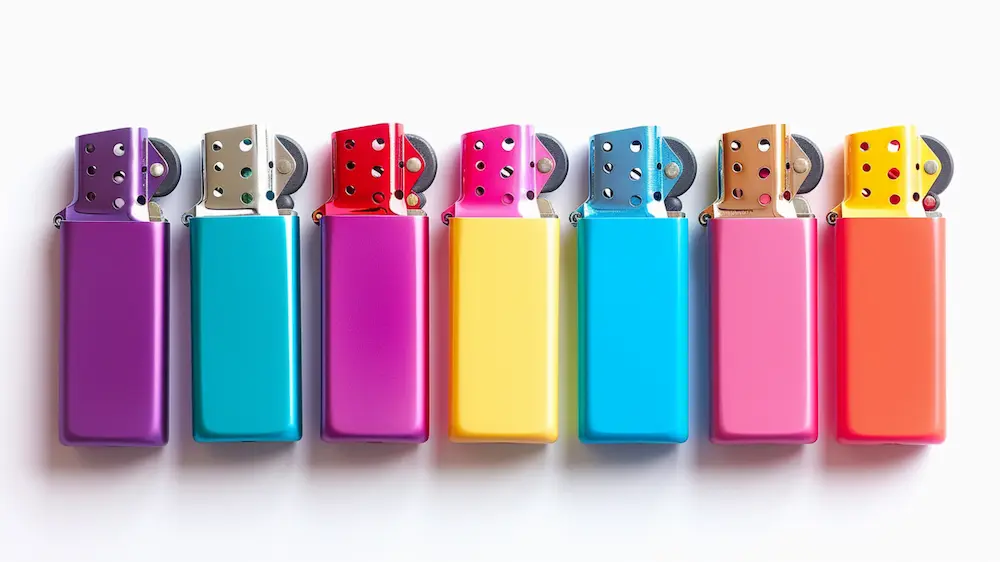
Modern lighters often feature minimalist designs and are available in various colors and finishes. A gold lighter adds a touch of luxury and elegance, making it a great choice for those who prefer a modern, sleek look.

Novelty Lighters

Novelty lighters stand out with their unique designs. For example, a Jack Daniels lighter shaped like a whiskey bottle makes for a distinctive accessory and an excellent gift.

  • Classic lighters: Timeless elegance and design
  • Modern lighters: Minimalism and color variety
  • Novelty lighters: Unique designs and originality

Research shows that simple and elegant designs are more frequently chosen by those who appreciate classic style, while modern lighters tend to be favored by younger users.

Matching Lighters with Outfits and Accessories

A lighter can be a subtle yet important part of your overall look, especially when carefully matched with the rest of your style. Choosing the right lighter depends on whether you prefer an elegant, casual, or more extravagant style.

Elegant Women’s Lighter

An elegant women’s lighter is the perfect accessory for women who appreciate classic and refined items. A gold lighter or a metal lighter with a stylish finish pairs perfectly with an evening gown or a chic handbag.

Elegant Men’s Lighter

An elegant men’s lighter should reflect the character and style of its owner. Often, these are metal lighters with simple, classic designs that complement both suits and more casual attire.

Practical Tips:

  • Color and material: Match the lighter with your outfit’s color scheme. A gold lighter goes well with jewelry and elegant accessories.
  • Size: Choose the appropriate size for your needs. A mini lighter is a discreet and practical choice for everyday use.
  • Functionality: Ensure that the lighter is easy to use and meets your daily needs.

Studies suggest that individuals who pay attention to details like accessories are perceived as more stylish and organized.

Practical Tips for Everyday Use vs. Special Occasions

When selecting a lighter, it’s important to consider whether it will be used daily or only on special occasions. Each scenario requires a different approach.

Everyday Use

For everyday use, it’s best to choose a lighter that is durable, functional, and easy to operate. A metal lighter or a nice lighter with a minimalist design is an ideal choice. Make sure the lighter has enough fuel and is always ready for use.

Special Occasions

If the lighter is meant for special occasions, you can opt for a more luxurious model. An elegant lighter, such as a gold lighter, adds a touch of class and is the perfect accessory for evening events. This type of lighter should not only be functional but also aesthetically matched to the rest of your accessories.

  • Everyday use: Durability, functionality, simplicity
  • Special occasions: Elegance, exclusivity, style matching
  • Lighter prices: It’s worth investing in a high-quality lighter for special occasions.

It’s also worth considering the environmental impact. Using refillable lighters can help reduce waste and is more economical in the long run.

Comparison Table: Advantages and Disadvantages of Different Lighter Types

Lighter TypeAdvantagesDisadvantages
Classic lighterDurability, elegant designHigher price
Modern lighterVariety of colors and stylesLess durable compared to metal models
Novelty lighterUnique appearance, great for giftsMay be less practical for everyday use

Choosing the perfect lighter depends on your individual needs and lifestyle. Whether you need a lighter for everyday use or special occasions, it’s worth investing in a model that meets all your expectations. Pay attention to build quality, functionality, and how well it matches your style.

Remember, a lighter is not just a tool but also an accessory that can highlight your character and taste. A well-chosen lighter can become an essential part of your image while also being a practical item you’ll always have with you.

The Art of Collecting Unique Lighters: A Guide for Enthusiasts

Collecting lighters is a captivating hobby that brings together a love for history, technology, and unique artifacts. For collectors, a collectible lighter is more than just a functional tool; it’s a piece of art, a conversation starter, and often, a valuable investment. In this article, we’ll explore the history of lighter collecting, what makes a lighter valuable, and how to properly care for and display your collection.

The History of Lighter Collecting

The history of lighter collecting dates back to the early 20th century, when the first automatic lighters began to gain popularity. Vintage metal lighters and old gasoline lighters like the iconic Zippo became cultural symbols, prized for their durability and distinctive designs.

  • The first Zippo lighter was produced in 1933 and quickly became popular due to its reliability and ease of use.
  • Old metal lighters from the early 1900s were often made from high-quality materials, making them durable and highly sought after by collectors.

Interestingly, research has shown that some of the earliest lighters were based on flintlock mechanisms used in firearms, highlighting their durability and precision.

What Makes a Lighter Valuable?

The value of a collectible lighter depends on several factors. Vintage gasoline lighters and metal lighters are particularly prized for their age, condition, rarity, and brand. Lighter brands like Zippo, Dunhill, and Ronson are especially valued by collectors.

Factors that contribute to a lighter’s value:

  • Rarity: The rarer the lighter, the higher its value.
  • Condition: Lighters in mint condition, with minimal signs of wear, are more valuable.
  • Brand: Lighters from well-known brands are more desirable.
  • Age: Older lighters, especially those from the early 20th century, tend to have higher value.

Studies indicate that collectors are often willing to pay more for lighters with unique features or those produced in limited quantities. Lighter prices can range from a few dollars to several thousand dollars depending on these factors.

FactorAdvantagesDisadvantages
RarityHigh market valueDifficult to find
ConditionAesthetic and market valueRequires careful maintenance
BrandPrestige and recognitionHigher purchase cost
AgeHistorical significancePotential for wear and damage

How to Care for and Display Your Collection

Proper care of your lighter collection is essential for maintaining its value and aesthetic appeal. Appropriate storage and regular maintenance can significantly extend the life of your lighters.

Tips for maintaining your collection:

  • Storage: Store lighters in a dry place, away from direct sunlight, to prevent fading or corrosion.
  • Cleaning: Regularly clean your lighters with a soft cloth and mild cleaning agents to remove dust and dirt.
  • Avoid Moisture: Moisture can cause metal parts to rust, so it’s important to keep lighters in a dry environment.

Displaying your collection is just as important as maintaining it. Old metal lighters and vintage gasoline lighters can be beautifully showcased in cases or on special stands that highlight their unique designs.

Ideas for displaying your collection:

  • Display Cases: Glass display cases allow for secure storage and showcasing of lighters.
  • Stands: Special lighter stands are perfect for presenting unique pieces.
  • Shelves: Shelves with LED lighting can add elegance and emphasize the details of your collection.

Long lighters can also be a unique addition to your collection, especially if they are displayed prominently.

Collecting lighters is not just a hobby but also an investment that can yield significant returns over time. With proper care and display, your collection can become a treasured asset that you can enjoy for many years to come.

We encourage you to start your own lighter collecting journey—this fascinating hobby can bring immense joy and satisfaction. Whether you’re just starting or are an experienced collector, there’s always something new to discover in the world of collectible lighters.