How to Choose a Lighter as a Christmas Gift? A Guide for the Demanding

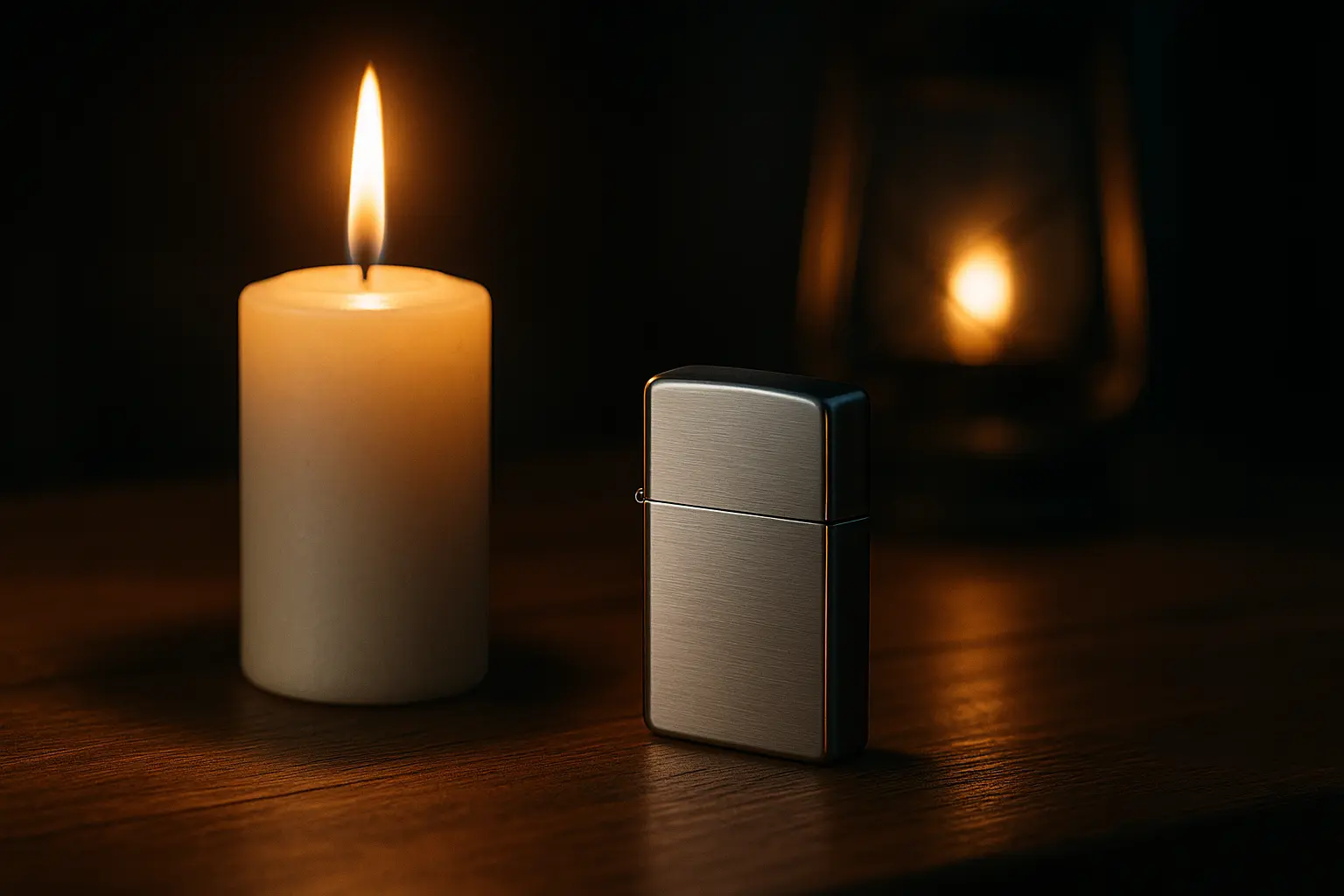
A lighter can be more than just a practical tool — it can also be an elegant accessory that reflects the owner’s style. During the holiday season, it becomes a unique gift idea, both for smokers and for those who appreciate stylish, functional items. The key is to choose a model that combines design with reliability and fits into everyday use.

Define the recipient’s style and preferences

The first step is understanding which design will best suit the person you want to gift. Minimalist stainless steel models fit a classic style, while lighters with bold colors or distinctive shapes are perfect for those who enjoy original accessories. Luxury accessories market data shows that elegant, well-designed items are chosen as gifts more often than purely utilitarian ones.
It’s worth remembering that:

  • classic models are versatile and suitable for most occasions
  • bold designs work best for someone who enjoys standing out
  • the color and finish should match the recipient’s other accessories

Choose the right lighter type

The market offers various types of lighters, from petrol to gas and turbojet models. Each has its advantages, and the choice should depend on the recipient’s lifestyle.

Lighter typeAdvantagesBest for
PetrolIconic look, works in low temperaturesFans of classic style and collectors
Gas (classic)Easy to use, available in many versionsEveryday use at home or in the office
TurbojetWind-resistant, strong flameActive people and travelers
Electric USBEco-friendly, rechargeable via cableThose who appreciate modern solutions

Knowing the intended use helps ensure the gift will be both appreciated and frequently used.

Pay attention to materials and build quality

The material determines both durability and appearance. Steel and brass models are highly resistant to scratches, while aluminum ones are lighter but less resistant to damage. Luxury accessories market research indicates that buyers increasingly choose products that are both durable and aesthetically appealing.
A well-chosen lighter:

  • retains its appearance even after years of use
  • requires minimal maintenance
  • feels premium from the first touch

Don’t forget about the packaging

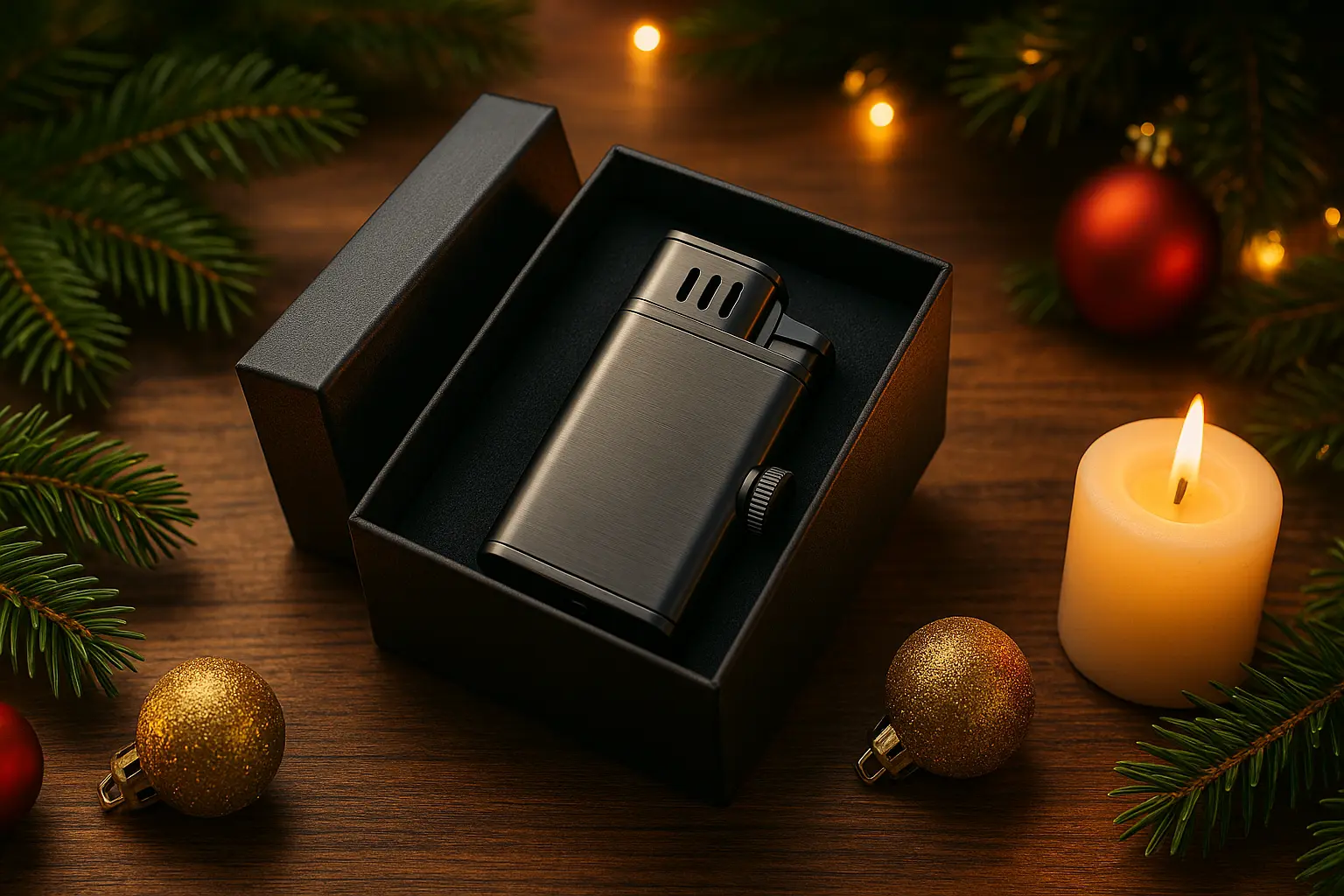
A gift should be ready to present, which is why an elegant box matters. A lighter in a sturdy, well-designed case immediately makes a stronger impression. Gift industry research shows that packaging can increase the perceived value of an item by up to 30%.
Good packaging:

  • protects the lighter during transport
  • highlights its character as a gift
  • can be reused for storage

A gift that lasts for years

A lighter is a gift that can serve for many years, reminding the recipient of the person who gave it. By choosing a model suited to their style, needs, and preferences, you offer more than a practical item — you give an accessory with personality that can become a daily companion.
Why a Lighter Can Save Your Day

A lighter is often taken for granted — until you’re caught in a situation where not having one makes everything harder. While it may seem like a minor item, it can become an essential tool in unexpected moments.

Emergency situations at home

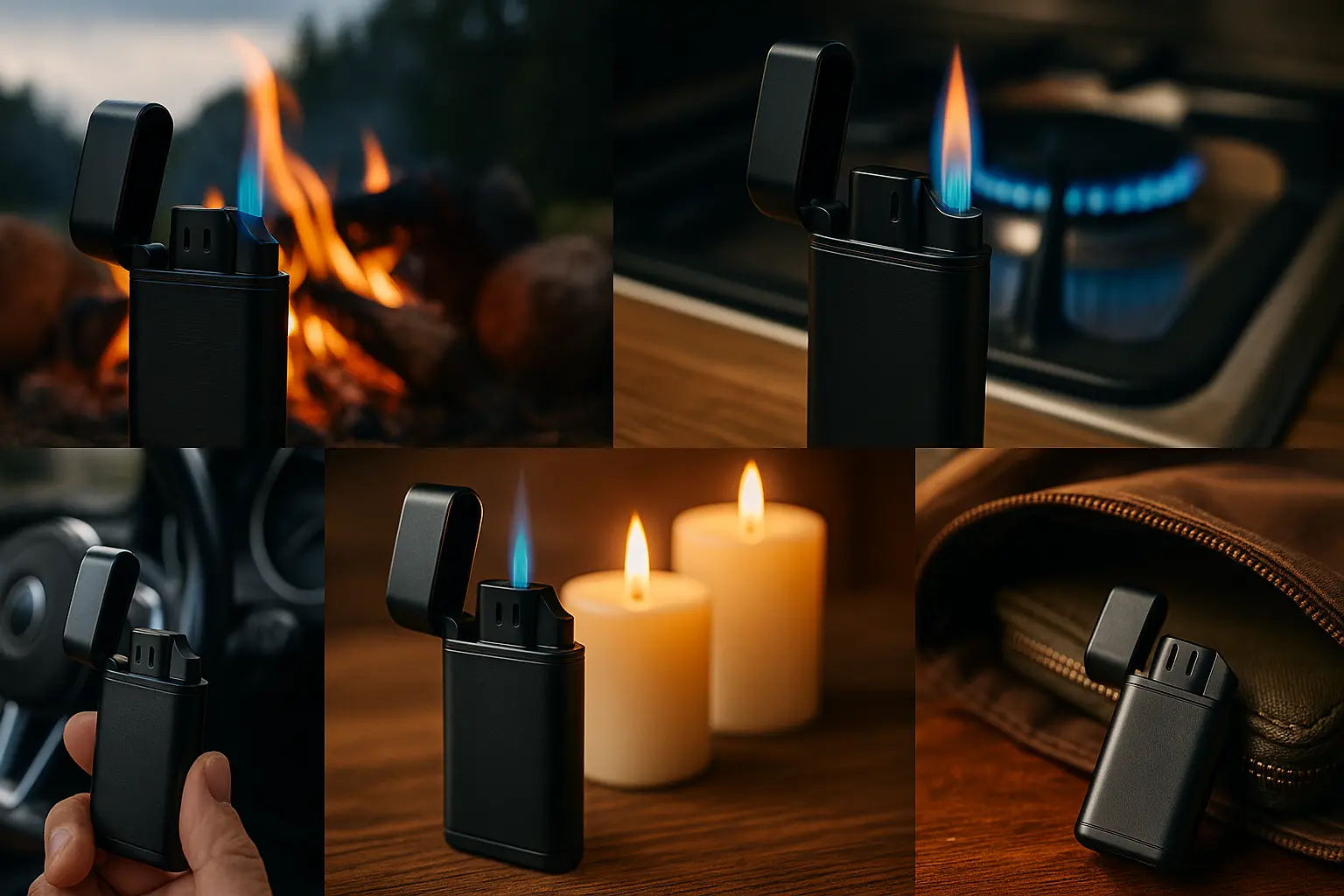
Sudden power outage? Candles in the drawer, but no way to light them? Without a lighter, you can’t illuminate a room, ignite a gas stove, or even heat food on an emergency burner. Short-term blackouts happen in many households throughout the year due to storms, power overloads, or infrastructure failures.

Here are the most common cases where people end up looking for a lighter at home:

Emergency situationHow a lighter helps
Power outageLighting candles
Gas stove won’t igniteManually lighting the burner
Backyard barbecueLighting charcoal or wood
Cold fireplaceStarting a fire manually
Decorative candlesAdding ambient lighting

These examples show how surprisingly versatile a small lighter can be — not just for smokers, but for anyone handling daily challenges.

Unexpected problems while traveling

A car trip or hike can easily turn into a challenge — wet clothing, no warm food, or even getting lost. In many parts of Europe, rescue services report that the ability to start a fire has helped save lost hikers.
On the road, a lighter can:

  • help start a fire for warmth or cooking
  • assist in emergency fixes (e.g. melting tape or sealing rope ends)
  • serve as a light signal in the dark

According to European outdoor organizations, being unprepared for sudden weather changes is the most common reason for hiking-related incidents. Carrying a lightweight fire source significantly increases your chances of comfort and safety.

Everyday uses you don’t expect

Lighting a scented candle after a long day, sealing the edge of a frayed hoodie string, or removing a loose thread — these are small but real tasks that often need a controlled flame. A 2023 GlobalData survey found that 37% of lighter owners use them for purposes other than smoking.
In everyday scenarios, a lighter can:

  • help seal or trim synthetic materials
  • warm up small parts for DIY or repairs
  • assist in kitchen tasks like caramelizing desserts

This makes it both a practical and creative tool — useful when precision and speed matter.

Habits and lifestyle

Some people carry a lighter every day not because they smoke, but because it feels natural — part of being prepared. It’s a regular part of EDC (Everyday Carry), offering a sense of readiness.
According to EDC community polls, lighters consistently rank among the top 10 most carried items.
For many, a lighter is:

  • a “just in case” tool
  • a way to reduce stress in unpredictable situations
  • a stylish and minimalist accessory

A sleek lighter in your pocket or bag can be more expressive than a watch — it signals preparedness and personal style.

One small tool, many big uses

Whether you live in a city or a rural area, having a lighter on hand can make daily life easier. In many moments, it’s the lighter that “saves the day,” allowing you to act quickly and efficiently. Choosing a reliable, well-designed model is not just practical — it becomes a natural part of your everyday gear.

The Biggest Myths About Lighters: What’s True and What’s Not?

Lighters are everyday items, yet many myths and misconceptions surround them. Can they really explode in a car? Are fuel-based lighters toxic? Does a jet flame consume significantly more gas? In this article, we break down these common beliefs and check what experts and real-world tests have to say.

Can Lighters Explode in a Car?

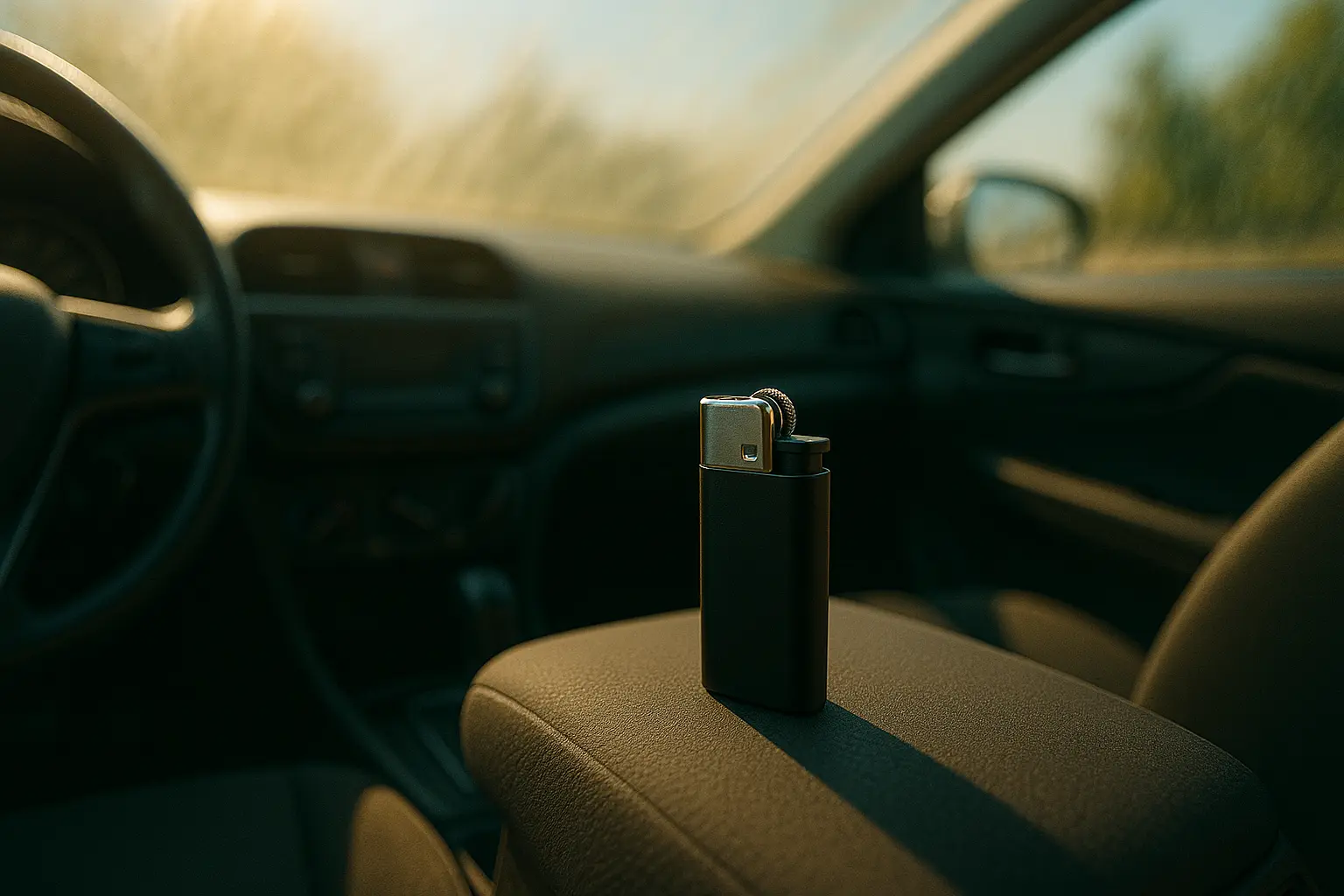
This is one of the most widespread myths online. It’s true that most lighters contain flammable gas or fuel, but an explosion inside a car is extremely rare. Such incidents usually involve damaged or low-quality lighters exposed to direct sunlight for long periods.

According to tests conducted by the German TÜV institute, standard gas lighters begin to lose seal integrity above 70°C, but ignition occurs only at temperatures over 120°C. While the inside of a parked car can heat up to 60–65°C on a hot day, this doesn’t immediately pose a risk of explosion.

Conclusion: It’s best not to leave lighters on the dashboard or in direct sunlight, but the risk of explosion under normal conditions is minimal.

Are Fuel-Based Lighters Toxic?

Fuel lighters do release a distinctive odor, which some find unpleasant. Their fuel contains petroleum-derived compounds, but typical use involves very limited exposure. Users rarely touch the fuel directly, and any vapors dissipate quickly in open air.

A 2021 study published in Toxicology Letters showed that volatile organic compounds (VOCs) released during occasional use of fuel lighters were far below World Health Organization (WHO) safety thresholds. Prolonged inhalation may be harmful — but only in extreme and atypical cases.

Conclusion: For regular users, a fuel lighter is safe as long as it’s used correctly and not overfilled.

Does Jet Flame Use More Gas Than a Regular Flame?

Jet flames are hotter, stronger, and more focused, which gives the impression that they consume more fuel. Technically, they do burn gas faster per second than regular soft flames. However, since they light objects more efficiently, the actual usage time is often shorter.

In a 2023 test by Camping & Outdoor Review, a jet flame lighter with 1.4g of gas ran for about 10 minutes of continuous use, while a regular gas lighter with the same capacity lasted around 13 minutes. The difference is noticeable but balanced by the performance benefits.

Conclusion: Jet flame lighters use slightly more gas, but their wind resistance and ignition power justify the trade-off in outdoor conditions.

Facts vs. Rumors – What Experts and Tests Say

There are many more myths about lighters, often based on isolated events or exaggerated stories. Verified facts show that lighters:

  • are safe when used correctly,
  • differ in design and fuel consumption,
  • require proper storage and handling.
MythRealitySource
A lighter can explode in a carExtremely rare, only in extreme heat or faulty unitsTÜV, 2022
Fuel lighters are harmful to healthNo evidence for harm from occasional useToxicology Letters, 2021
Jet flame uses double the gasAround 20–30% higher, but more efficient overallCamping & Outdoor Review, 2023

Rather than relying on internet rumors, it’s better to look at the facts — and choose a lighter that fits your real needs without unnecessary concern.

5 Situations Where a Good Lighter Makes a Difference

When the wind is blowing and you need to start a fire

Lighting a fire on a windy day can quickly turn a relaxing experience into a frustrating struggle. A standard lighter with a soft flame may go out with every gust of wind. That’s why people who enjoy camping or outdoor activities often choose jet flame lighters. Their focused, high-temperature flame resists wind and can ignite even slightly damp materials.

Field tests published by outdoor gear experts show that jet flame lighters remain functional in winds exceeding 20 km/h, making them a reliable choice in unpredictable conditions.

Jet flame lighters are especially effective for:

  • lighting a campfire in the forest
  • starting a grill during a windy picnic
  • cooking meals outdoors

When you need a flame—even if you don’t smoke

Even for non-smokers, a lighter is often a handy tool. It can be used to seal the end of a synthetic rope, heat a metal pin, or light candles and incense. In many households, a lighter is treated as a practical everyday item.

According to consumer safety studies in the U.S. and Europe, over 30% of lighter usage is unrelated to smoking—demonstrating how often people need a reliable source of flame in daily life.

Practical home uses include:

  • lighting scented candles
  • singeing rope ends
  • heating small tool components

On the road—in a car, camper, or tent

Every travel or emergency kit should include a dependable lighter. It can be useful in a car, while camping, or during hikes. However, not all lighters are equally suited for such environments. Petrol lighters, for example, should not be stored in overheated vehicles, as the fuel may leak or evaporate, leaving behind unpleasant odors.

Vehicle safety testing has shown that lighters left in a parked car during summer can reach internal temperatures of up to 60°C (140°F), which may affect their durability and safety.

Useful travel scenarios include:

  • warming hands over a small flame
  • lighting a portable grill
  • sealing a loose paracord end

When there’s no power or gas

Power outages or a broken stove igniter can happen unexpectedly. In these moments, a lighter becomes more than just a backup—it’s essential. Whether it’s lighting a gas burner, candles, or a fireplace, having a lighter can solve several problems at once.

Utility reports from various countries show that the average household experiences at least one short power outage per year, making a manual ignition source a smart item to keep nearby.

A lighter is useful when:

  • the stove’s electric igniter fails
  • a fireplace flame goes out
  • there’s no other light source after dark

Not every lighter works in every situation

Lighters vary not only in design but also in function. Choosing the right one depends on your specific needs—whether practical, aesthetic, or technical. Selecting the wrong type can lead to disappointment or even failure in critical situations.

Lighter TypeIdeal UseProsCons
Gaseveryday useaffordable, lightweightsensitive to wind and moisture
Petrolretro style, giftworks in cold, stylish designpossible leakage, fuel odor
Jet flameoutdoor, campingwind-resistant, strong flamehigher cost, more fuel usage

Before putting a lighter into your backpack, glove box, or gift package, consider how and where it’ll most often be used. That way, it will always serve its purpose—right when you need it most.

How to Take Care of Your Lighter So It Lasts for Years

A lighter may be a small item, but it’s a precise tool that requires care. Regular cleaning and proper storage can extend its life and reduce the risk of malfunction. In practice, neglect leads to dust and soot building up in the mechanism, which over time makes ignition harder and the flame weaker.

Keep in mind that a clogged valve or striker can cause irregular flames or even prevent ignition altogether.

How to Clean and Refill a Gas Lighter

Gas lighters are the most popular choice because they’re convenient and inexpensive to use. However, their durability depends on fuel quality and cleanliness of the mechanism. Here are the key maintenance tips:

  • always use clean, high-quality butane,
  • clean the nozzle with compressed air before refilling,
  • store in a dry place, away from dust and moisture.

Cheap fuel often contains impurities that clog the nozzle and shorten the lighter’s life. That’s why it’s better to choose fuel from trusted brands.

How to Maintain a Petrol Lighter and Avoid Leaks

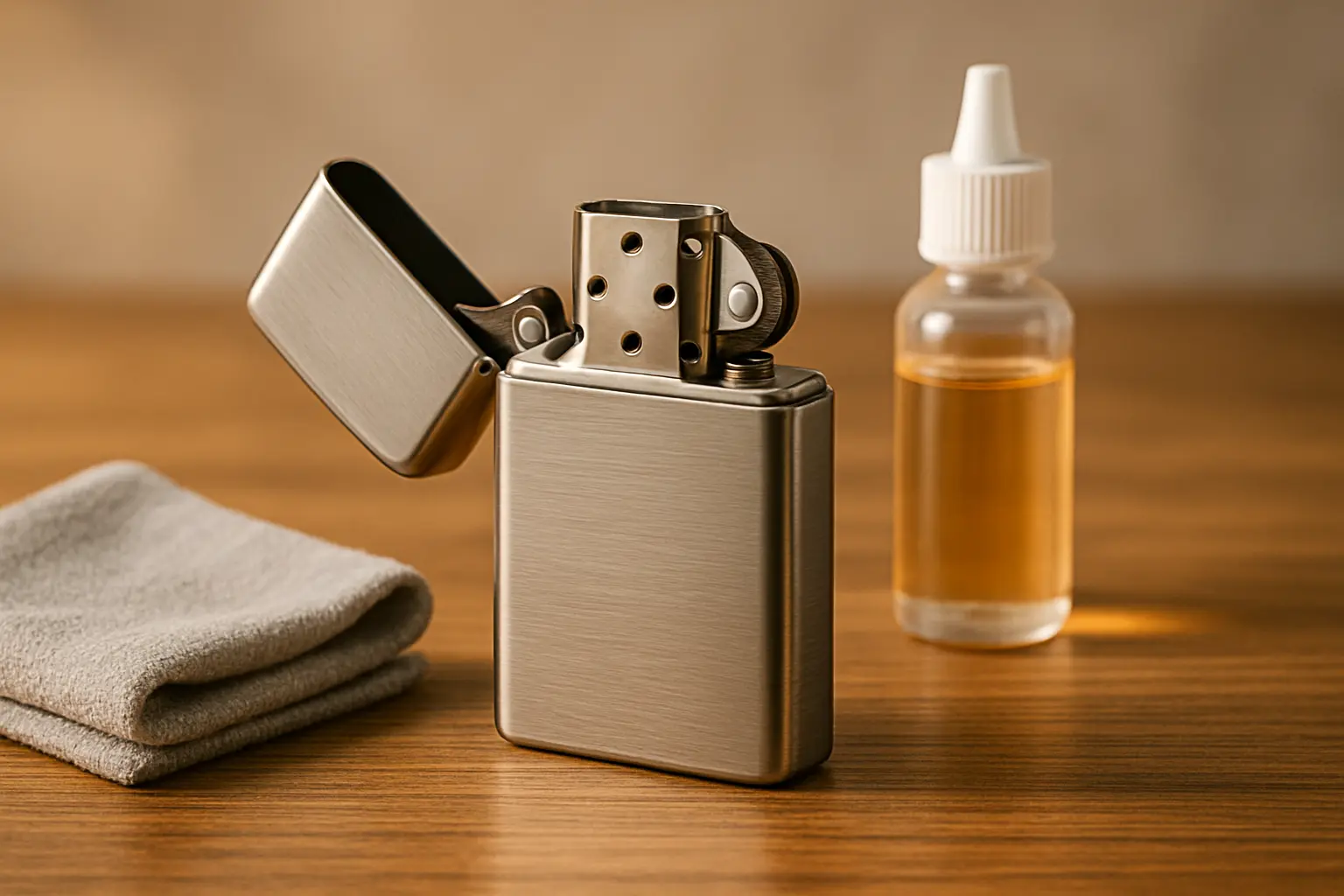
Petrol lighters require more frequent refueling since the fuel evaporates naturally. You should also check the wick and felt regularly, as they wear out over time.

Maintenance TaskHow Often to Perform
Refuel with petrolevery 1–2 weeks
Replace wickevery 6–12 months
Clean chimney and flint areaevery 1–2 months

Never overfill a petrol lighter, as excess fuel can leak. You also shouldn’t leave it in a hot car — high temperatures accelerate evaporation and increase the risk of leaks and strong fuel odor.

Most Common Mistakes and How to Avoid Them

Many users make simple mistakes that shorten a lighter’s lifespan. The most common ones are:

  • using cheap, contaminated fuel,
  • setting the flame too high, which stresses the mechanism,
  • storing the lighter in damp or dusty environments,
  • neglecting to clean the nozzle and striker regularly.

Even if the lighter seems to work fine, it’s worth checking and cleaning it regularly — prevention is better (and cheaper) than repair or replacement.

Taking care of your lighter according to these tips will keep it reliable and looking good for many years. A little maintenance goes a long way — both for your safety and everyday comfort.

Adjustable Flame Lighters – When Are They Worth Having?

An adjustable flame allows the user to control the height and intensity of the flame. While many people rely on standard lighters with a fixed flame, more and more are choosing models with adjustable output — for safety, fuel efficiency, and versatility.

According to Outdoor Gear Lab (2022), lighters with adjustable flames used about 18% less fuel in daily use compared to fixed-flame models. In windy conditions, increasing the flame height significantly improved ignition success.

When Is an Adjustable Lighter Especially Useful?

Flame control is useful in many scenarios where a fixed flame might be too strong, too weak, or inconvenient. These lighters are ideal for:

  • lighting a fire in windy weather,
  • gently sealing a rope or fabric edge,
  • safely lighting candles or portable stoves,
  • precision work in a workshop or hobby setting,
  • cold weather, where a larger flame is needed.

A key advantage is control — you can fine-tune the flame to match the task without burning your hands or surroundings.

Types of Lighters with Adjustable Flames

There are many kinds of adjustable lighters — from basic gas models to high-power turbo and double-flame options. Each type fits different needs. Turbo lighters excel outdoors, while classic models are great for indoor use.

Type of LighterFlame AdjustmentPrimary UseNotes
Classic gas lighterManual dialHome, office, BBQSimple and cheap, but less durable
Turbo flame lighterBuilt-in systemOutdoor, wind, rainStrong flame, perfect for bad conditions
Dual/triple flamePrecise controlCrafts, technical useHigh heat output, faster gas consumption

Choosing the right model depends not only on style but also on your lifestyle and how often you’ll use it.

Facts That Confirm the Benefits of Adjustable Lighters

In a 2021 study by the Consumer Flame Products Association, 64% of users who tried adjustable lighters said they considered flame control “essential” after just a few weeks. Outdoor lighter users also reported fewer ignition failures during wind and rain.

Practically speaking:

  • small flame = more safety and less gas usage,
  • large flame = better performance outdoors,
  • switchable flame = greater versatility.

Who Should Use an Adjustable Lighter?

These lighters are perfect for:

  • active people (camping, survival, hiking),
  • everyday home users,
  • barbecue or outdoor cooking fans,
  • craftsmen and hobbyists,
  • anyone who values control and efficiency.

If you often use a lighter in varied environments, flame adjustment is not just a feature — it’s a practical upgrade that improves comfort and safety.

The Lighter in EDC – A Small Tool with Big Purpose

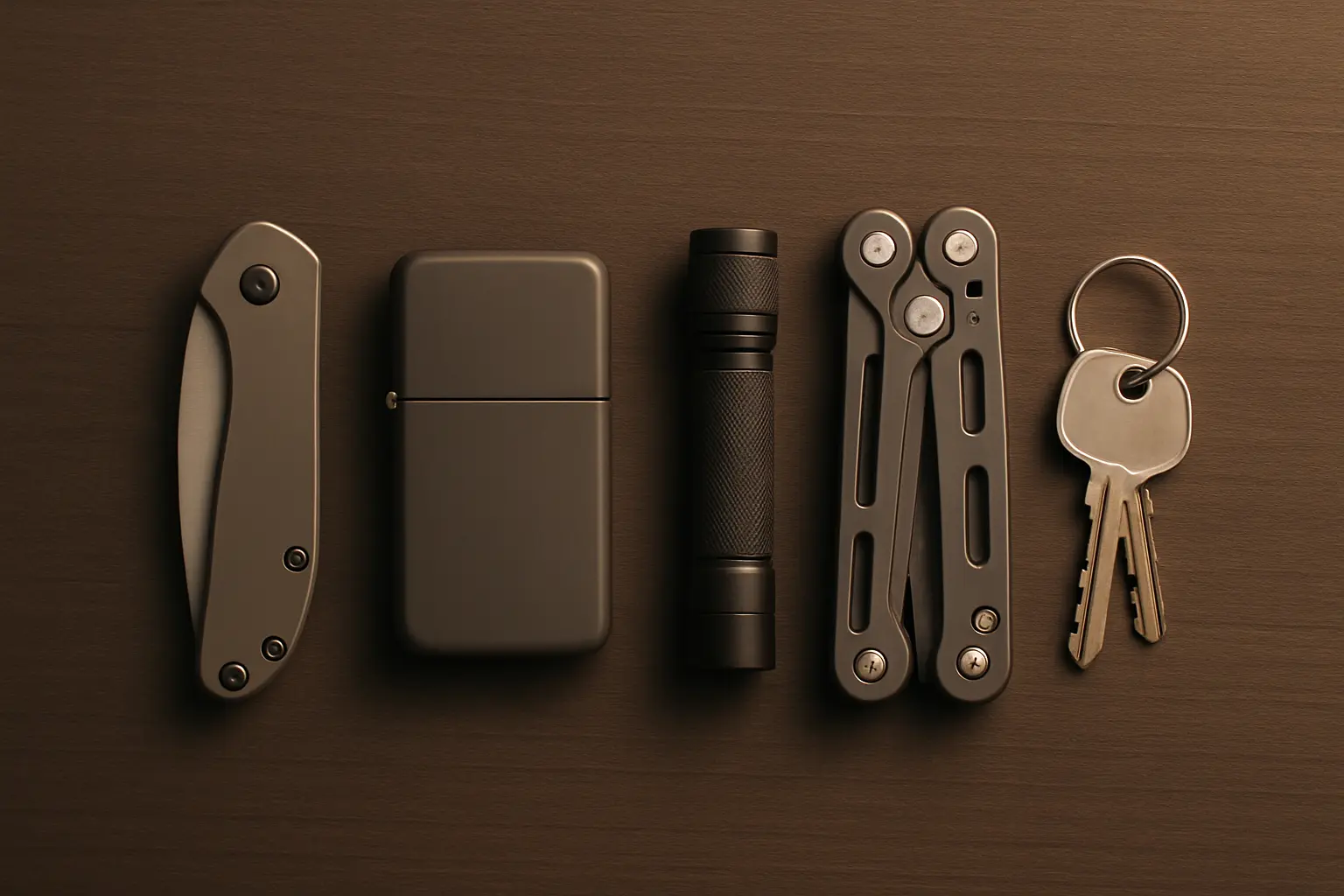
EDC (Everyday Carry) refers to the set of items we carry with us daily — usually for practicality, preparedness, and personal comfort. It includes essentials like a pocket knife, multitool, flashlight, keys, or wallet. In this context, a lighter earns its place as a small yet extremely useful item.

According to a 2023 study by Carryology, the lighter ranks in the top 5 most mentioned EDC tools among users of survival-focused forums. Meanwhile, a report from Everyday Carry Gear Review shows that 73% of users choose wind- and weather-resistant lighters because of their versatility in harsh conditions.

Benefits of carrying a lighter in your EDC:

  • provides fast fire-starting in emergency situations,
  • can be used to seal cord ends or tape,
  • serves as a source of light or warmth when needed,
  • useful for everyday tasks like lighting a grill.

Types of Lighters Best Suited for EDC

Not every lighter is fit for everyday carry. EDC-friendly models should be compact, reliable, and safe to keep in your pocket or bag. The most common choices include gas turbo lighters, classic petrol models, and modern plasma (electric) lighters.

In the GearLab 2022 field test, turbo flame lighters scored highest in wind resistance and ignition performance. Plasma lighters, while modern, required frequent recharging and underperformed in cold conditions.

Lighter TypeAdvantagesDisadvantages
Turbo GasWind-resistant, fast and clean ignitionHigher gas usage, metal parts heat up
Petrol (Classic)Works in all temperatures, reliableNeeds frequent refilling, fuel evaporates
Plasma (USB)Flameless, modern, no fuel requiredVulnerable to moisture, battery-dependent

Depending on your lifestyle, choose a model that best fits — adventurers may prefer durability, while urban users value minimalism and rechargeability.

Key Features of an EDC Lighter – Durability, Safety, Reliability

An EDC lighter must meet several key requirements. First and foremost: durability. It should withstand drops, scratches, and changing weather. Safety is just as important — features like a secure lid and child-resistant ignition are essential.

A 2021 study by the International Outdoor Products Association found that 80% of EDC users rated “always works” as the most critical feature of any lighter.

The perfect EDC lighter should be:

  • compact enough to fit in a pocket or organizer,
  • resistant to wind, moisture, and cold,
  • easy to refill or recharge,
  • built with a reliable ignition system.

When Does an EDC Lighter Really Come in Handy?

Though it may seem insignificant, an EDC lighter can prove invaluable in both everyday and emergency scenarios. Whether lighting a candle during a power outage, preparing a meal at a campsite, or starting a fire in survival conditions — a reliable lighter is a true multi-tool.

In a 2022 field report by SurvivalTech Journal, the lighter was one of the three most-used EDC tools during live wilderness survival tests. According to Statista, the use of EDC lighters in Europe grows by about 5% annually.

Situations where an EDC lighter can save the day:

  • camping or trekking in wet environments,
  • needing a flame in windy conditions,
  • home emergencies during blackouts,
  • roadside or car survival scenarios.

How to Start a Campfire with a Lighter – What You Need to Know

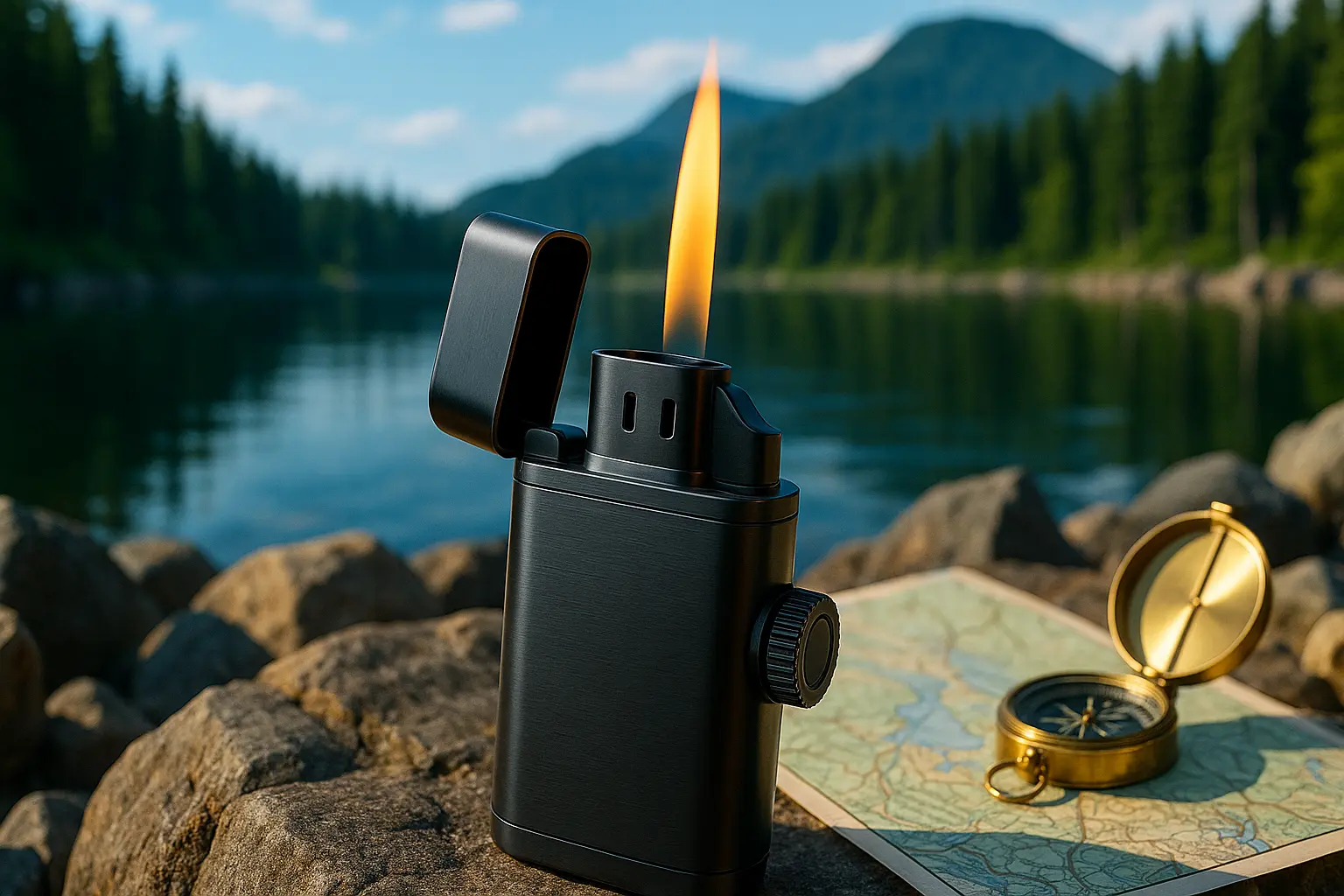
Starting a fire outdoors is not always as easy as it seems. Standard gas or petrol lighters often fail when faced with strong wind or high humidity. This happens because their flame is unstable and easily extinguished by gusts. Research by the National Fire Protection Association (NFPA) confirms that windproof lighters can maintain a stable flame at wind speeds up to 60 km/h, while regular models are extinguished at just 15–20 km/h. Additionally, tests by Survival Gear Review (2022) showed that turbo lighters are on average 40% more effective at lighting fires under difficult weather conditions than standard models.

When it comes to outdoor use, the following features matter most:

  • Stable wind-resistant flame,
  • Ease of use even while wearing gloves,
  • Adjustable flame intensity,
  • Reliable and safe construction.

Key Features of a Good Fire-Starting Lighter

Not every lighter will perform well in outdoor conditions. A high-quality outdoor lighter should have several critical features that make fire starting quick and effective. One of the most important is a concentrated jet flame, which can reach temperatures of up to 1300°C. This allows you to ignite not only paper or tinder but also slightly damp wood.

In a study by the American Society for Testing and Materials (ASTM), it was shown that lighters with dual or triple jet flames are 35% more effective in igniting moist materials compared to single-flame lighters.

Lighter FeatureAdvantagesDisadvantages
Wind resistanceStable flame even in strong windsMay increase fuel consumption
Adjustable flame controlAllows precise adjustment of flame sizeRequires proper setting
Piezoelectric ignitionReliable mechanism, no flint requiredMay be more expensive to manufacture
Multiple jet burners (jet flame)Fast ignition, very high temperatureFaster gas usage

However, even the best lighter will not help if the campfire setup is poor or if the wood is too wet to catch fire.

Who Will Benefit Most from a Windproof Lighter?

Although every smoker might appreciate a durable, wind-resistant lighter, these models are especially useful for people who spend a lot of time outdoors. Campers, hikers, anglers, and bushcraft enthusiasts often face conditions where traditional fire-starting methods simply fail. According to the Outdoor Equipment Market Report (2023), 68% of outdoor lighter users cited wind resistance as the key factor influencing their purchase decision.

A windproof lighter is particularly useful for:

  • Hikers and trekking enthusiasts,
  • Anglers and hunters,
  • Survivalists and bushcrafters,
  • Grill fans and backyard firepit users.

How to Prepare a Campfire for Easy Ignition?

Even the best lighter cannot replace proper fire setup and the use of quality tinder. Choosing the right place — sheltered from wind and with dry ground — is essential. Research by the Forest Products Laboratory (USA) showed that wood with a moisture content above 20% significantly reduces ignition success, making well-dried fuel the best option.

Key principles for preparing your campfire:

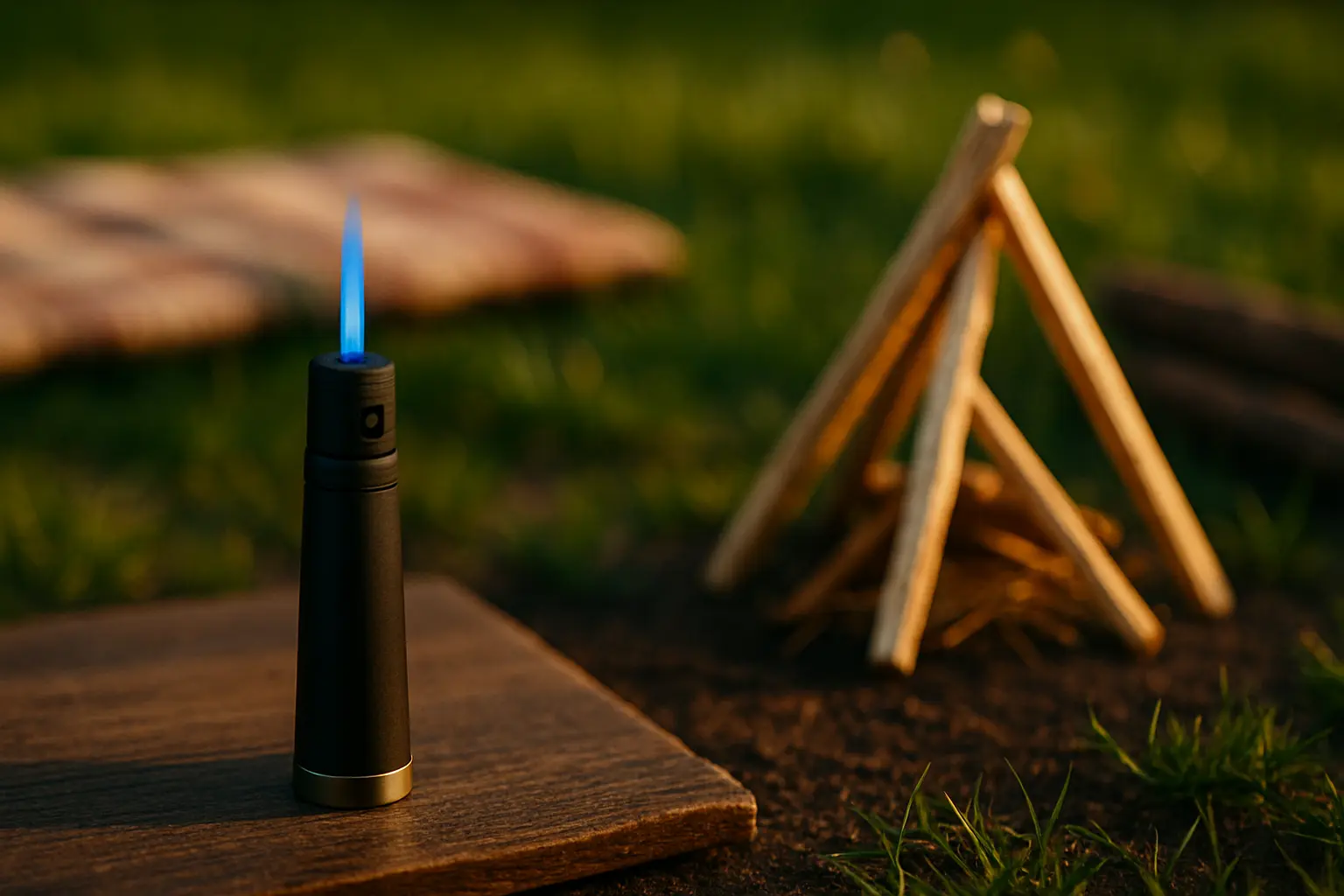
  • Arrange wood in a tipi or pyramid structure,
  • Use dry tinder (e.g., thin twigs, dry grass, waxed cotton wool),
  • Ensure airflow by leaving space between materials,
  • Protect your tinder from direct wind exposure.

A windproof lighter allows you to direct the flame accurately, even in harsh conditions, making the process of lighting your fire much easier and more reliable.

Cigarette Case – Style and Convenience in One

Why is a Cigarette Case Worth Having?

A cigarette case is not just a practical accessory but also a symbol of style and elegance. Its primary function is to protect cigarettes from mechanical damage, such as crushing or breaking, as well as from moisture that can affect their quality. Made from durable materials like stainless steel, natural leather, or aluminum, a cigarette case guarantees long-lasting use and a stylish appearance.

Advantages of Owning a Cigarette Case:

  • Protection for Cigarettes – shields from crushing and moisture.
  • Aesthetics – adds elegance and class to the user.
  • Durability – robust materials ensure longevity.
  • Organization – keeps cigarettes neatly arranged.

Stylish Cigarette Cases for Every Occasion

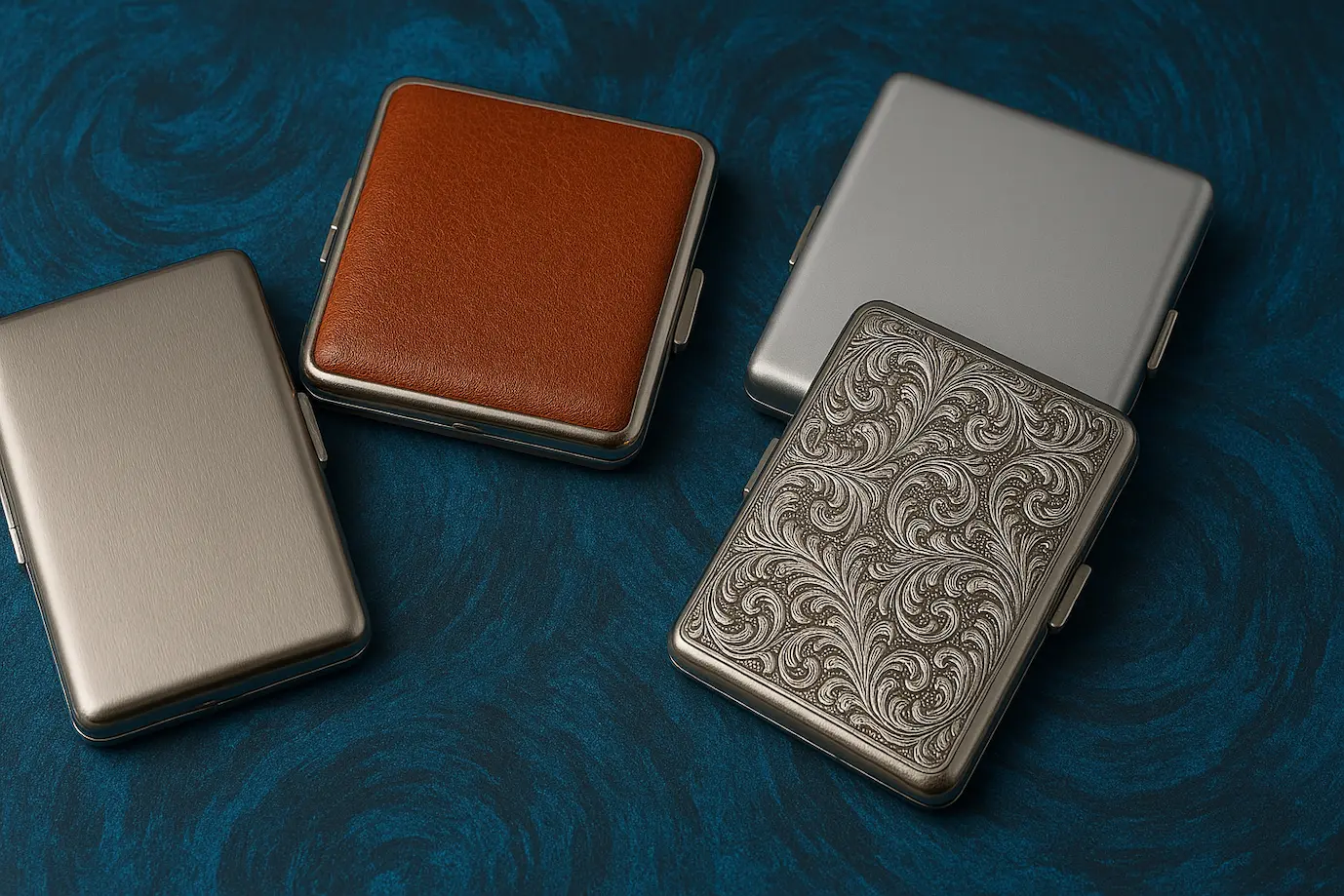
The market offers a wide range of cigarette cases in various styles and designs, allowing users to match them to individual preferences and occasions. From classic, metal models with a minimalist design to richly decorated cases with engravings or inlays, everyone can find something to suit their taste.

Popular Styles of Cigarette Cases:

  • Classic Metal – simple and elegant, suitable for formal settings.
  • Leather – adds warmth and luxury, perfect for everyday use.
  • Decorative – with unique patterns, for those who appreciate originality.
  • Modern – with a minimalist design, appealing to contemporary trends.

How to Choose the Best Cigarette Case?

Choosing the right cigarette case depends on several key factors:

  • Material: Stainless steel is durable and resistant to damage, natural leather adds elegance, and aluminum is lightweight and modern.
  • Capacity: Standard cases hold 10 to 20 cigarettes; choose the capacity that fits your needs.
  • Design: Should match individual preferences and personal style.
  • Closure Mechanism: Should be sturdy and easy to operate.

Advantages and Disadvantages of Cigarette Cases Made of Different Materials

MaterialAdvantagesDisadvantages
Stainless SteelDurability, corrosion resistanceCan be heavier
Natural LeatherElegant look, pleasant to touchRequires maintenance, less moisture resistant
AluminumLightweight, modern designLess resistant to mechanical damage

Cigarette Case as a Unique Gift

A cigarette case is an excellent gift idea for a smoker who values style and elegance. Personalized cigarette cases, for example with engraved initials or a dedication, become a unique and thoughtful present.

Why a Cigarette Case Makes the Perfect Gift:

  • Personalization – option to add custom engraving.
  • Functionality – practical everyday accessory.
  • Aesthetics – highlights the recipient’s style and character.
  • Durability – high-quality materials ensure long-lasting use.

A cigarette case is not just a practical accessory but also an expression of individual style and class. When choosing the right model, pay attention to the material, design, and functionality to enjoy it for many years or to delight a loved one with this elegant gift.

Lighter for May Picnic – Style and Functionality in One

A lighter for a May picnic – an essential outdoor accessory

A May picnic is the perfect time to relax outdoors – barbecuing, picnicking, lighting a bonfire, and going on trips. In such moments, a reliable and functional lighter is a must-have to handle any situation. Choosing the right lighter can make a big difference in comfort and safety during outdoor activities.

During a picnic, the lighter is not only a practical tool but also a stylish accessory. A well-chosen model can reflect the character of the event and the owner’s individual taste. Therefore, it’s worth considering models that combine functionality with elegance.

One of the most important factors when choosing a lighter for a picnic is its resistance to weather conditions. According to a study conducted by the University of Cambridge, turbo gas lighters can maintain a flame even in winds of up to 60 km/h. This makes them indispensable outdoors, where the weather can be unpredictable.

Key features of a picnic lighter:

  • Wind resistance – ensures reliable performance even in harsh conditions.
  • Durable construction – solid and long-lasting in all situations.
  • Stylish design – visually appealing and suitable for any occasion.
  • Ease of use – intuitive and comfortable handling.

Turbo lighters – power of the flame in any weather

Turbo lighters are an unbeatable choice for a May picnic, especially on windy days. Thanks to a concentrated flame, they maintain fire even under challenging conditions. Unlike standard models, turbo lighters generate a flame at a higher temperature, allowing quick ignition of a campfire or barbecue.

According to manufacturers’ data, the flame temperature in turbo lighters can reach up to 1300°C. This is more than enough to light paper, wood, or charcoal without any difficulty. Choosing a turbo model means reliable ignition in any weather, while ergonomic design ensures comfortable use even with gloves on.

Why choose a turbo lighter for a picnic:

  • High flame temperature – effective ignition, even of damp materials.
  • Wind resistance – stable flame under windy conditions.
  • Ergonomic shape – easy to hold and operate with one hand.
  • Flame adjustment – customizable intensity to suit different needs.

Luxury lighters for a picnic – elegance in the outdoors

Let’s not forget about aesthetics – a lighter can also be a style statement. Luxury models made from metal, leather, or premium alloys are not only durable but also look exceptionally elegant. At a picnic, such a lighter highlights attention to detail and personal taste.

Research by the American Psychological Association has shown that people pay more attention to accessory details when spending time in social settings. An elegant lighter can become not just a practical gadget but also a conversation piece, adding a touch of sophistication to the atmosphere.

Advantages of luxury picnic lighters:

  • Sturdy construction – resistant to damage.
  • Stylish appearance – unique and impressive design.
  • Premium quality materials – long-lasting durability.
  • High-quality craftsmanship – attention to detail and precision.

Advantages and disadvantages of different lighter types

Lighter TypeAdvantagesDisadvantages
TurboWindproof, high flame temperatureFast gas consumption
LuxuryElegant appearance, durable constructionHigher price
WaterproofWater resistance, reliability in wet conditionsOften larger and heavier
Classic GasEasy to use, widely available designsSensitive to wind
PetrolLong-lasting performance, strong flamePotential fuel leakage

Waterproof lighters – safety in all weather

A May picnic doesn’t always mean sunny weather. Rain or moisture can surprise even the best-prepared campers. In such cases, a waterproof lighter is a real lifesaver. Models with special seals and waterproof housings ensure reliability even in adverse conditions.

Key features of waterproof lighters:

  • Moisture protection – safe use in rainy weather.
  • Robust housing – strong construction for long-lasting use.
  • Easy handling – despite protection, still simple to operate.
  • Compact design – lightweight and easy to carry.

When choosing a waterproof lighter, it is worth paying attention to models with protective covers and rubber gaskets that keep the flame safe from moisture. This way, the lighter remains ready for use even after exposure to water.